
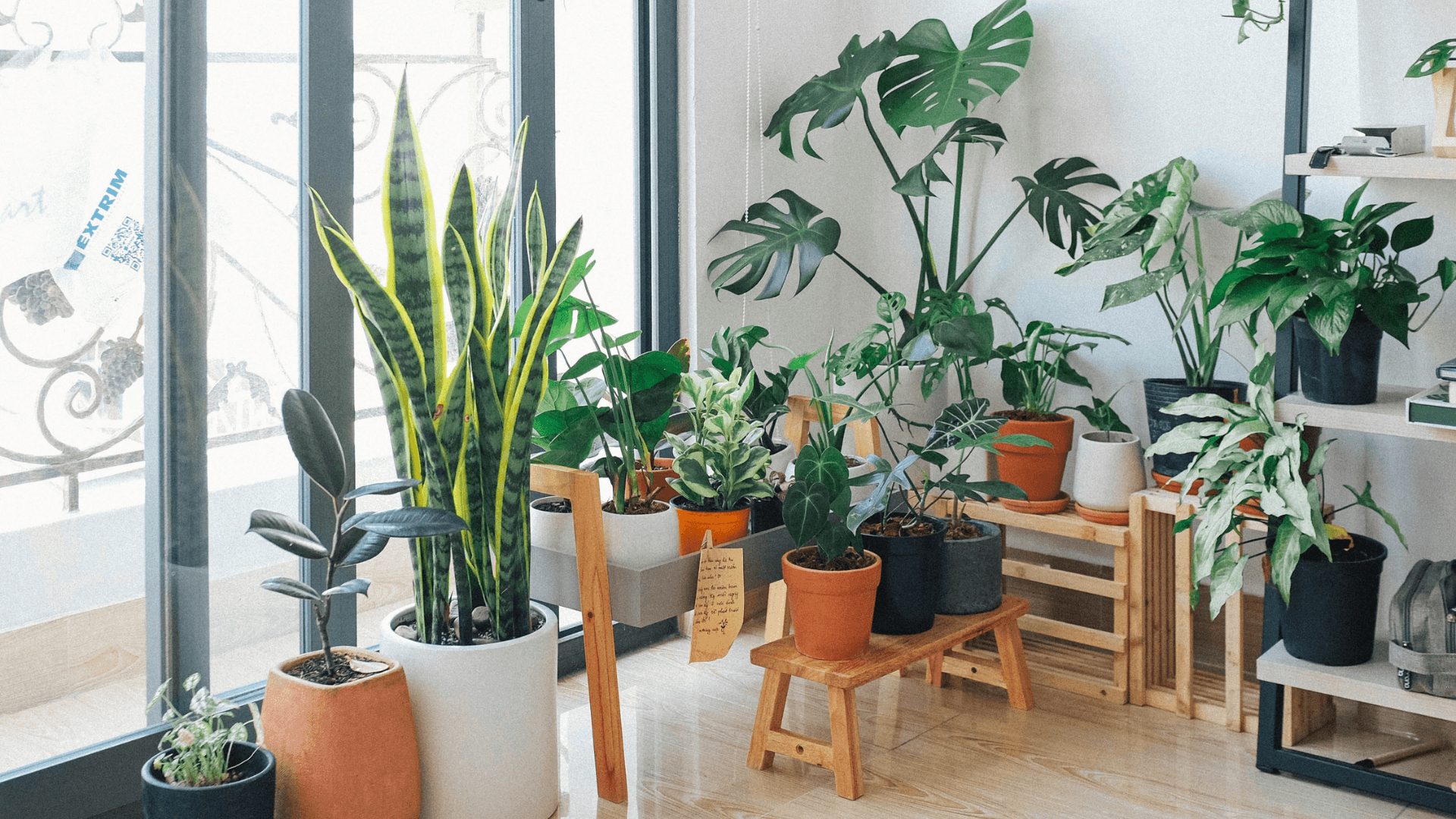
The Hidden Costs of Living Plants in Commercial Spaces: A Five-Year Reality Check
When I took over facility management for a mid-sized law firm three years ago, the senior partner specifically mentioned maintaining the “living, breathing office environment” that featured dozens of plants throughout our 8,000 square foot space. He loved the natural aesthetic and believed it impressed clients. What he didn’t know—and what I discovered through painful experience—was that those beautiful plants were costing the firm nearly $15,000 annually in ways nobody had ever calculated.
The Obvious Costs Everyone Knows
Our monthly plant maintenance contract seemed reasonable at $450, totaling $5,400 annually. A professional service watered plants weekly, trimmed dead foliage, and replaced struggling specimens. This visible expense appeared in our budget, so everyone understood this cost existed.
But that was just the beginning. When I started tracking comprehensive plant-related expenses, the real picture emerged and shocked even me.
The Water Damage Nobody Talks About
Within my first six months, we experienced three separate water damage incidents related to plants. An overwatered floor plant saturated carpeting, requiring professional extraction and treatment ($850). A planter with inadequate drainage leaked onto a credenza, damaging the finish and requiring refinishing ($425). Most seriously, water from a large lobby plant seeped into the floor below, creating ceiling damage in the tenant space beneath us ($2,200 repair plus lost goodwill).
These weren’t freak accidents—they represented normal risks that living plants create in office environments. Our insurance covered some costs, but deductibles and premium increases meant we absorbed significant expenses. Over three years, plant-related water damage cost us over $6,000 in direct repairs plus immeasurable relationship costs with the downstairs tenant.
The Pest Problem That Escalated
Plants introduced fungus gnats that spread throughout the office. What started as annoying insects around plants evolved into a full infestation requiring professional pest control. The extermination service cost $1,200, but the real expense came from repeated treatments needed because the plants continuously reintroduced pests.
We tried various solutions—different soil types, beneficial nematodes, sticky traps—but the fundamental problem persisted: living plants in office environments create pest issues that require ongoing management. Over three years, pest control related to plants cost approximately $3,500.
The Replacement Cycle
Despite professional maintenance, plants died or declined regularly. Our contract included some replacements, but larger specimens required additional charges. The stunning fiddle leaf fig in our main conference room died twice in 18 months, with replacements costing $350 each time. Smaller plants died and needed replacement quarterly.
I calculated that we spent roughly $2,000 annually beyond our maintenance contract on plant replacements—$6,000 over three years for plants that often looked mediocre even when technically alive.
The Hidden Labor Costs
Our receptionist spent 2-3 hours weekly dealing with plant issues—cleaning up dropped leaves, wiping down surfaces near plants, moving plants toward windows, emptying saucers, and coordinating with the maintenance service. At her hourly rate, this represented $3,600 annually in labor costs never attributed to plants.
Building maintenance staff also spent time addressing plant-related issues—cleaning water spills, moving furniture to accommodate plant placement, and dealing with complaints about insects. This added another estimated $1,500 annually in labor that nobody had connected to our “beautiful natural environment.”
The Client Perception Problem
Here’s what really changed my perspective: Client feedback. Several clients mentioned in passing that some plants looked “a bit rough” or that our office “could use some freshening up.” We were spending thousands annually maintaining plants, yet they often created negative impressions rather than the positive aesthetic we intended.
Plants near windows thrived while those in interior areas struggled visibly. Seasonal changes affected appearance dramatically—lush in summer, struggling in winter’s dry heated air. The inconsistent aesthetics undermined the professional image we worked hard to maintain.
The Total Three-Year Cost
When I compiled comprehensive plant-related expenses over three years, the numbers were staggering:
- Maintenance contracts: $16,200
- Water damage repairs: $6,000
- Pest control: $3,500
- Additional replacements: $6,000
- Labor (receptionist and maintenance): $15,300
- Total: $47,000 over three years
That’s nearly $16,000 annually—triple our visible budget line item.
The Solution That Actually Worked
Armed with this data, I proposed transitioning to quality artificial plants from Faux Natural. The initial investment of $12,000 for premium artificial plants throughout our office seemed high until compared against our actual three-year living plant costs of $47,000.
The transition happened gradually as living plants declined. Within 18 months, we’d completely converted to artificial alternatives. The results exceeded expectations:
- Zero water damage incidents
- Complete elimination of pest problems
- No replacement costs
- Dramatic reduction in maintenance labor
- Consistent, professional appearance year-round
- Universally positive client feedback
The Financial Reality
Our artificial plant investment paid for itself in less than 10 months compared to our actual living plant costs. Every month thereafter represents pure savings plus the operational benefits of eliminating ongoing plant management headaches.
More importantly, our office now maintains the professional aesthetic consistently that living plants never achieved despite enormous expense and effort. Client comments shifted from occasionally noting tired-looking plants to frequently complimenting our “beautiful, well-maintained office environment.”
Lessons for Other Facility Managers
If you manage commercial spaces with living plants, I strongly encourage calculating total costs comprehensively. Include maintenance contracts, but also track:
- Water damage repairs and insurance impacts
- Pest control expenses
- Replacement costs beyond contracted services
- Staff labor addressing plant issues
- Professional appearance consistency
When you calculate honestly, the financial case for quality artificial plants becomes overwhelming. The key word is “quality”—cheap artificial plants look fake and undermine professional environments. Premium alternatives create the aesthetic benefits without the operational nightmares and hidden costs that living plants inevitably generate.
Article 2: Why Artificial Plants Are the Smart Choice for Allergy Sufferers
Why Artificial Plants Are the Smart Choice for Allergy Sufferers: A Personal Journey
I’ve loved plants my entire adult life. My home featured dozens of varieties that I carefully tended, creating the indoor jungle aesthetic that made me happy. Then my daughter developed severe allergies, and suddenly my beloved plant collection became a health hazard. The journey from plant enthusiast to artificial plant convert taught me that sometimes the best solution isn’t the one you initially want—it’s the one that actually works.
The Allergy Crisis That Changed Everything
My daughter’s allergies emerged gradually around age seven. She developed persistent congestion, frequent headaches, and respiratory issues that doctors initially attributed to seasonal allergies. We tried medications, air purifiers, and environmental controls, but symptoms persisted year-round with frustrating consistency.
After extensive testing, her allergist delivered surprising news: she had developed sensitivities to mold spores and soil-dwelling organisms commonly found in indoor plant environments. The plants I cherished were literally making my daughter sick. The allergist recommended removing all living plants from our home.
The Emotional Resistance
I resisted initially. Surely some compromise existed—maybe certain plant types, or reducing quantities, or implementing better care practices. I researched obsessively, trying to find ways to keep plants while managing her health issues.
But as I learned more about indoor plant allergens, reality became unavoidable. Plant soil harbors numerous mold species and bacteria that release spores into indoor air. Even with excellent care, these organisms thrive in the moist soil environment that plants require. Watering, repotting, and even just having plants present continuously releases allergenic particles into the air.
My daughter’s health had to take priority over my preferences, no matter how much I loved my plants.
Understanding Plant-Related Allergens
Through research and discussions with allergists, I learned that living plants create multiple allergy triggers:
Mold and Fungal Spores: Soil moisture creates ideal environments for mold growth. Common indoor plant molds include Aspergillus, Penicillium, and Cladosporium—all significant allergen sources. These spores become airborne during watering, handling, or even just through natural air circulation.
Soil Organisms: Beyond molds, plant soil contains bacteria, fungi, and decomposing organic matter that release allergenic particles. The “earthy smell” of fresh soil actually indicates microbial activity that produces airborne allergens.
Pollen: While most indoor plants don’t produce significant pollen, some species do release pollen that triggers allergic responses. Even plants marketed as “low-allergen” can affect sensitive individuals.
Pest-Related Allergens: Indoor plants sometimes harbor pests like fungus gnats or spider mites. These insects and their waste products introduce additional allergens into home environments.
The Difficult Transition
Removing my plant collection felt like losing part of my home’s identity. The empty spaces where plants once sat looked barren and sterile. I genuinely mourned the loss of my beloved collection and the relaxing ritual of plant care that had become part of my daily routine.
My daughter’s health improvements, however, provided clear validation. Within two weeks of removing all living plants, her symptoms decreased noticeably. Within a month, her chronic congestion had largely resolved. She stopped needing daily antihistamines and could breathe freely in her own home for the first time in over a year.
Seeing her healthy and energetic made the sacrifice worthwhile, but I still missed the green, organic aesthetic that plants had provided.
Discovering Quality Artificial Alternatives
Initially, I rejected artificial plants completely. My experience with cheap fake plants at offices and stores created strong bias—they looked obviously artificial, collected dust, and represented everything I found unappealing about artificial alternatives.
Then a friend suggested I look at premium artificial plants before making final decisions. She pointed me toward quality artificial plant suppliers specializing in realistic options designed for home environments rather than cheap party decorations.
Skeptical but desperate to restore some greenery to our home, I ordered a few premium artificial plants to test. When they arrived, I was genuinely shocked by the quality. These bore no resemblance to the cheap artificial plants I’d dismissed. The realistic textures, natural color variations, and botanically accurate details created convincing alternatives that satisfied my aesthetic needs without triggering my daughter’s allergies.
The Health Benefits We Discovered
Beyond eliminating allergy triggers, artificial plants provided unexpected health advantages:
No Mold Exposure: Completely eliminating mold sources improved our entire family’s respiratory health. My husband’s occasional sinus issues also decreased, suggesting he’d been affected by plant-related mold despite not having diagnosed allergies.
Cleaner Air Quality: Without soil-based organisms releasing spores continuously, our indoor air quality improved measurably. We noticed less dust accumulation and cleaner HVAC filters, indicating reduced airborne particles.
No Pesticide Exposure: Living plants occasionally required pest treatments using chemicals I’d always worried about in a home with children. Artificial plants eliminated this concern entirely.
Consistent Environment: Living plants release moisture through transpiration, affecting indoor humidity levels. In our climate, this sometimes created conditions that promoted mold growth on other surfaces. Artificial plants eliminated this variable, helping us maintain optimal humidity levels for health.
Rediscovering the Joy of Greenery
As I’ve gradually added quality artificial plants back into our home, I’ve rediscovered the aesthetic pleasure of living with greenery—without the health complications. Our home feels warm, organic, and welcoming again. The psychological benefits of seeing plants daily returned without compromising anyone’s health.
Remarkably, I don’t miss the care requirements. Not worrying about watering schedules, fertilizing, repotting, or managing pests has simplified my life while our home looks more consistently beautiful than it ever did with living plants that sometimes struggled or looked bedraggled between care sessions.
Recommendations for Other Allergy Sufferers
If you or family members suffer from allergies, mold sensitivities, or respiratory issues, consider these points:
Living plants introduce numerous allergens into home environments regardless of how carefully you maintain them. The soil environment inevitably harbors organisms that release allergenic particles.
Premium artificial plants provide aesthetic benefits without health compromises. The key word is “premium”—cheap alternatives look fake and won’t satisfy anyone who genuinely appreciates plants.
The transition feels difficult initially but health improvements typically become apparent quickly, providing clear motivation to maintain the change.
Consult allergists if you suspect plant-related allergies but haven’t confirmed the connection. Testing can identify specific sensitivities and guide appropriate environmental modifications.
Conclusion
My journey from plant enthusiast to artificial plant advocate wasn’t one I anticipated or initially welcomed. But faced with my daughter’s health issues, the choice became clear. Premium artificial plants have allowed our family to enjoy beautiful green spaces without the allergens that living plants inevitably introduce.
For allergy sufferers, artificial plants aren’t compromises—they’re solutions that provide aesthetic benefits without health costs. Sometimes the best choice isn’t the one we expect, but rather the one that actually allows everyone in our homes to breathe freely and stay healthy.