
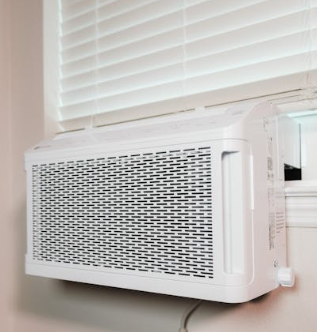
Gain insight on AC Induction Motors and discover their efficiency, uses, and advantages. Understanding the importance of these motors paves the way toward a sustainable future and empowers your technical knowledge.
Introduction to AC Induction Motors
AC induction motors, a cornerstone of modern electrical engineering, transform electrical energy into mechanical motion using the principles of electromagnetic induction. The invention of AC induction motor Malaysia, attributed to Nikola Tesla in 1887, marked a significant leap in the world of technology.
The development and refinement of AC induction motors have continued over the decades. Innovations have led to increased efficiency and enhanced control methods, making these motors indispensable across various industries.
Elements and Working Principles of AC Induction Motors
Key Physical Components of the AC Induction Motor
The AC induction motor is made up of two main components: the stationary stator and the rotating rotor. The stator houses winding circuits that generate a rotating magnetic field, while the rotor responds to this field, producing motion and ultimately, mechanical power.
Explanation of the Operation and Working Principle
The core of an AC induction motor’s operation lies in the interaction between the stator’s magnetic field and the rotor. As alternating current flows through the stator, it creates a magnetic field that induces an electric current in the rotor, causing it to rotate. This continuous interplay between current and magnetic fields powers the motor.
Types of AC Induction Motors
Single Phase Induction Motors
Single-phase induction motors are known for their simplicity and cost-effectiveness. They require only one power phase, making them ideal for household appliances and smaller machinery with lower power demands.
Three Phase Induction Motors
Three-phase induction motors are the workhorses of industrial applications. Their ability to efficiently handle larger power loads makes them a staple in industries such as manufacturing and construction.
Squirrel Cage Induction Motors
Squirrel cage induction motors, named for their distinctive rotor design, are widely used due to their high efficiency, low maintenance requirements, and robustness. They are the go-to choice for various industrial tasks.
Slip-ring or Wound Rotor Induction Motors
Slip-ring or wound rotor induction motors offer greater control over torque and speed. This design incorporates external resistances, allowing for fine adjustments, which can be beneficial in heavy-duty applications.
Efficiency of AC Induction Motors
Factors Influencing Efficiency
The efficiency of AC induction motors depends on factors such as design, quality of materials, and operating conditions. Proper maintenance and smart system integration can also impact performance.
Ways to Improve Efficiency
Improving efficiency involves selecting motors suited to specific tasks, regular maintenance, and monitoring power usage. Additionally, using advanced control systems can optimize performance and reduce energy consumption.
Power Factor and Its Role in Efficiency
A high power factor signifies efficient power usage, with minimal energy wasted. Monitoring and optimizing power factor can lead to improved motor efficiency and overall cost savings.
Uses of AC Induction Motors
Applications in Industrial Machinery
In industrial settings, AC induction motors power conveyors, pumps, fans, and various machinery, enabling efficient and reliable operations. Their versatility makes them essential for production and assembly lines.
Uses in Domestic Appliances
From refrigerators and washing machines to microwaves and air conditioners, AC induction motors play a key role in making household appliances more efficient and convenient.
Role in the Automotive Industry
AC induction motors are increasingly used in electric vehicles due to their durability, efficiency, and power output. They provide reliable performance and require minimal maintenance.
Uses in the Renewable Energy Sector
AC induction motors are pivotal in renewable energy systems, such as wind turbines and hydroelectric power stations. They convert natural energy sources into usable electricity, contributing to a greener future.
Advantages of AC Induction Motors
Durability and Reliability
The robust construction of AC induction motors ensures long-lasting performance, even in demanding environments. Their reliability makes them a trusted choice for continuous, heavy-duty applications.
High Power-to-Weight Ratio
AC induction motors offer impressive power output relative to their size and weight, making them efficient and effective for a variety of tasks across multiple industries.
Cost-Effectiveness
The simplicity of their design and their ability to run without extensive maintenance make AC induction motors a cost-effective solution for both industrial and domestic applications.
Less Maintenance Requirement
AC induction motors require minimal upkeep due to their brushless design, reducing downtime and long-term maintenance costs.
Future Trends of AC Induction Motors
AC Induction Motors are poised for transformative advancements as technology progresses. Expect to see further improvements in energy efficiency, performance, and system integration. The incorporation of digitalization and IoT capabilities will enable real-time monitoring and optimized operations.
Energy Efficiency Trends
Trends in energy efficiency focus on reducing consumption and emissions, aligning with sustainability goals. Innovations in motor design and smart control systems drive this progress.
Technological Advancements
Technological innovations continue to shape AC induction motors, with improvements in materials, control systems, and integration with digital technologies leading to smarter, more efficient solutions.
Market Growth and Opportunities
As the demand for energy-efficient and cost-effective solutions rises, the market for AC induction motors is expected to grow. This growth presents new opportunities for manufacturers and businesses in related fields.