
In the vast annals of human history, the concept of money has been a pivotal force shaping societies, economies, and civilizations. However, the journey from the early days of barter to the sophisticated financial systems of today is a fascinating tale of innovation, necessity, and adaptation. Let’s delve into the ancient origins of money and the materials used as currency in those times for us to understand the rich history of our current forms of money to fund our needs like food and clothing and wants like our properties and fundings for our online casino.
Barter and Beyond
In the earliest human societies, barter was the primary method of trade. Goods and services were exchanged directly for other goods and services, relying on a system of mutual agreement and necessity. While this system worked on a small scale, it posed significant limitations in terms of convenience, divisibility, and portability.
The Emergence of Commodity Money
As societies grew more complex, the need for a more efficient medium of exchange became apparent. This led to the emergence of commodity money, where certain items with intrinsic value were used as a common medium of exchange. These commodities varied greatly depending on the region and the resources available but often included items such as grains, livestock, and precious metals.
- Grains:
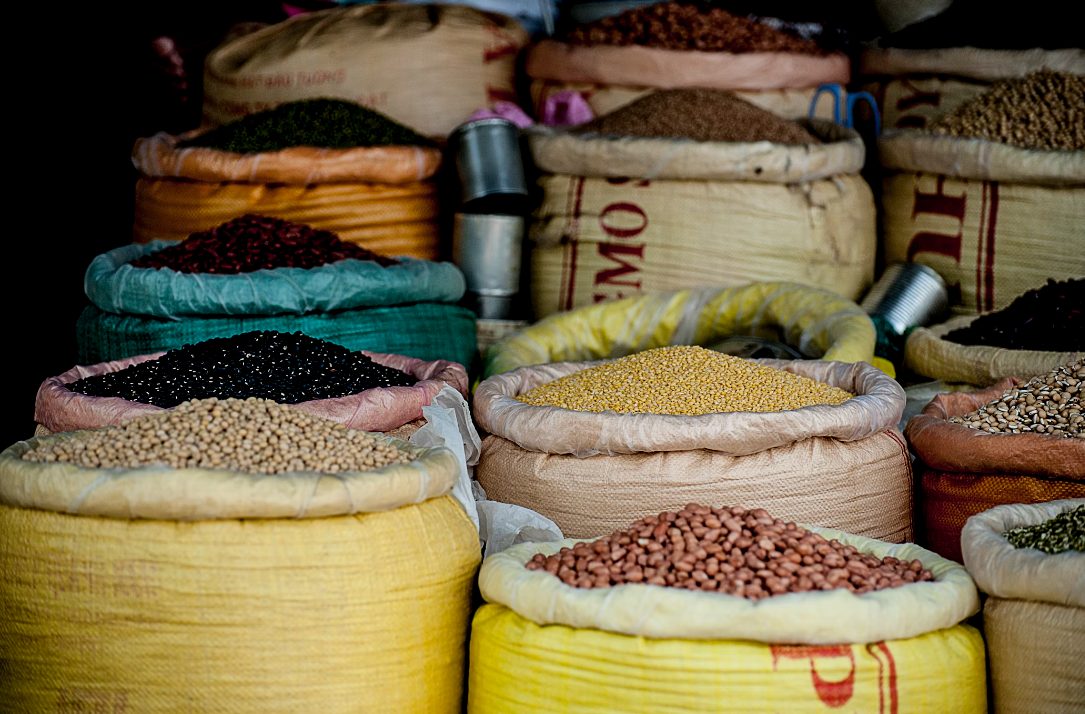
In ancient agricultural societies, grains like wheat, barley, and rice were among the earliest forms of currency. These grains were not only essential for sustenance but also served as a medium of exchange in local markets. The value of grains was based on their utility, demand, and scarcity, making them a practical choice for trade.
- Livestock:
Livestock, including cattle, sheep, and goats, held significant value in many ancient cultures. They were prized for their utility in farming, food production, and as a measure of wealth. In societies where agricultural practices dominated, livestock often served as a form of currency, facilitating trade and economic transactions.
- Precious Metals:
Perhaps the most enduring form of commodity money, precious metals like gold, silver, and copper have been used as currency for millennia. Their rarity, durability, and intrinsic value made them ideal for trade and wealth storage. Ancient civilizations such as the Egyptians, Greeks, and Romans minted coins from these metals, establishing standardized units of value that transcended regional boundaries.
- Early Metal Coins:
One of the most significant advancements in the history of money was the introduction of metal coins. The earliest metal coins are believed to have appeared in ancient Lydia (modern-day Turkey) around the 7th century BCE. These coins, made from electrum, a natural alloy of gold and silver, featured standardized weights and stamped designs, representing a significant departure from earlier forms of currency. The adoption of metal coins revolutionized trade by providing a portable, durable, and universally recognized medium of exchange, laying the foundation for modern monetary systems.
From Shells to Stones: Unconventional Currency
While grains, livestock, and precious metals were prevalent forms of currency, various societies around the world utilized unconventional items as mediums of exchange. These included shells, stones, beads, and even large stones such as the Rai stones of Yap Island in the Pacific Ocean. These unconventional currencies were often valued for their rarity, aesthetic appeal, or cultural significance, highlighting the diverse nature of early monetary systems.
Conclusion
The evolution of money from primitive barter to sophisticated financial instruments is a testament to human ingenuity and adaptability. Throughout history, various materials have served as currency, reflecting the economic, social, and cultural dynamics of their respective societies. While modern economies rely on fiat currency and digital transactions, the legacy of ancient forms of money continues to shape our understanding of value, exchange, and the intricate web of human interactions.