
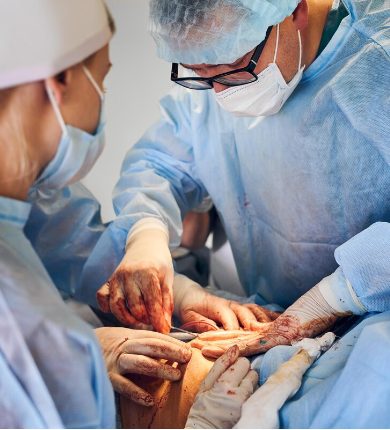
The meniscus is a crescent-shaped fibrocartilage structure in the knee and wrist joints. It functions primarily as a shock absorber, reducing the impact and stress on the bones during movement. Additionally, the meniscus helps distribute body weight across the joint and contributes to joint stability. Damage or tear in the meniscus can significantly affect joint function and mobility.
Importance of meniscus health to overall mobility and quality of life
Meniscus health is integral to overall mobility and quality of life. The menisci, located in the knees, act as shock absorbers, facilitate smooth movement, and provide stability. Damaged or worn-out menisci can cause pain, limit mobility, and negatively impact one’s daily activities. Therefore, their well-being is vital for maintaining an active, healthy, and pain-free lifestyle.
The relevance of meniscus surgery in treating various conditions
Meniscus surgery plays an indispensable role in treating various conditions, including meniscus tears and degenerative meniscus syndrome. It aids in the alleviation of knee pain, enhancing mobility, and improving a patient’s quality of life. Meniscus surgery in Singapore is crucial in sports medicine, helping athletes return to their sports and maintaining an active lifestyle, demonstrating its remarkable relevance.
Understanding Meniscus Injuries
Meniscus injuries occur in the knee within the rubbery, C-shaped disc that cushions your knee. They are considered one of the most common knee injuries. These injuries often result from twisting or turning quickly while your foot is planted and your knee is bent. Symptoms may include pain, swelling, and difficulty with knee mobility. Early diagnosis and treatment can lead to better outcomes.
Causes of meniscus injuries
Meniscus injuries are often caused by abrupt, twisting movements, commonly occurring during rotations in sports like soccer or football. Squatting or heavy lifting can also lead teachers to mental illness. Age plays a role too as the meniscus weakens and wears thin over time, making them more prone to tears. Abrupt changes in direction may result in a torn meniscus.
Common symptoms and signs of a meniscus injury
A meniscus injury, often a result of twisting or turning quickly, is a common knee issue. Its symptoms include sharp, persistent pain in the knee area, swelling, and difficulty moving the knee or inability to move it in a full range of motion. One may also experience a locked knee or feel a popping sensation during the injury.
Differences between minor and severe meniscus injuries
Minor meniscus injuries involve small tears that are manageable through therapy or rest, causing slight pain and discomfort. Severe injuries, however, involve larger tears or multiple-site injuries that may require surgery. These result in intense pain, and sand welling, and can significantly hamper mobility, potentially leading to extended periods of physical therapy or even long-term knee problems.
The Need for Meniscus Surgery
Cases when meniscus surgery is necessary
Meniscus surgery is necessary when there’s a significant tear in the meniscus – the cartilage in the knee joint that aids in load-bearing stability. Typical cases needing surgery include when knee pain significantly affects daily activities, continuous knee lock-ups occur, or when conservative treatments like physiotherapy and medication prove ineffective. Surgery aids in mitigating pain, improving function, and preventing further meniscus damage.
The potential outcomes if meniscus injuries are left untreated
If meniscus injuries are left untreated, potential outcomes may include chronic pain, instability and weakness in the knee, increased risk of developing osteoarthritis as damaged tissues expose the bone to greater wear and tear, difficulty in movement, and long-term knee damage. This might eventually compromise the individual’s quality of life, limiting physical activity.
The benefits of choosing surgery over other treatment options
Choosing surgery over other treatment options can offer quick and oftentimes more definitive results. Surgical procedures can directly tackle the root cause of an illness, whereas other treatments may simply manage the symptoms. Furthermore, advancements in technology have made surgical treatments safer, more effective,d efficient. It also minimizes the possibility of recurrence in certain cases.
Overview of Meniscus Surgery Procedures
Different types of meniscus surgery including Meniscectomy and Meniscus repair
Meniscus surgery encompasses different types, primarily Meniscectomy and Meniscus repair. Meniscectomy involves the removal of the damaged meniscus portion, ensuring knee stability. On the other hand, Meniscus repair is a surgical procedure to fix a torn meniscus, preserving as much natural tissue as possible. Both aim at restoring knee functionality and minimizing pain.
Detailed explanation of how each procedure works
Each procedure works through a set of specified steps, aimed at accomplishing a task. It often starts by identifying the task, followed by detailed planning and eventual implementation. The procedure’s execution involves following the said plan methodically. The effectiveness of the procedure is measured by how efficiently the task is completed. Regular reviews ensure procedures are updated for utmost efficiency.
Recovery period and what to expect after the surgery
After surgery, the recovery period is critical. It varies depending on the surgical procedure’s complexity and the individual’s overall health. During this time, patients may experience pain, swelling, and limited mobility. Medical professionals will give guidelines for rest, diet, and medication management. Regular follow-up appointments are also essential to monitor healing and assess the need for physical therapy or further treatment.
Top-Quality Meniscus Surgery Solutions in Singapore
Overview of the medical landscape in Singapore regarding orthopedic surgeries
Singapore’s medical landscape for orthopedic surgeries is highly advanced, with state-of-the-art facilities ensuring top standards of care. Renowned orthopedic surgeons provide a range of procedures including knee and hip replacements, spinal surgeries, and sports surgeries. Singapore’s healthcare system is globally recognized, leveraging cutting-edge technology and research to improve orthopedic care, making it a popular destination for medical tourism.
High-quality medical facilities offering meniscus surgery
Advanced Orthopedics & Sports Medicine Institute is an exemplary provider of high-quality medical facilities offering meniscus surgery. With state-of-the-art equipment and cutting-edge surgical techniques, they provide top-notch care for patients with knee injuries. The world-class team of board-certified surgeons puts patient safety and comfort at the forefront, ensuring speedy recovery and optimal results.
Notable orthopedic surgeons in Singapore specializing in meniscus surgery
Several orthopedic surgeons in Singapore specialize in meniscus surgery, with the likes of Dr. Bernard Lin, Dr. David Su, and Dr. Kevin Yip earning notable reputations. Their expertise in arthroscopic meniscus repair is widely renowned, making them distinguished in their field. Their surgery techniques promise expedient recovery periods, providing patients with efficient and effective healthcare solutions.
“The splendid beauty of nature never ceases to amaze me. From vibrant sunrise to the serenity of a moonlit night, each moment is a panorama of wonder. Nature is a constant reminder of the perfect balance that exists in our world. Whether through the simple chirping of birds or the vibrant palettes of autumn leaves, nature continues to inspire and rejuvenate us.”
The advantages of getting treatment in Singapore
Singapore offers world-class healthcare services with its state-of-the-art medical facilities and highly skilled staff. It is renowned for its high success rates in complex surgeries and advanced treatments. Expatriates and locals alike benefit from its rigorous standards, advanced technology, and clean, efficient medical practices. ItItsultilingual staff also alleviates language barriers, ensuring seamless communication during treatments.
Why Singapore is a preferred medical tourism destination
Singapore is a preferred medical tourism destination due to its advanced healthcare infrastructure, qualified medical professionals, and high standard of medical services. It offers a wide array of medical services at competitive rates. Moreover, its strategic location in Asia, political stability, transparency in transactions, and strict regulations ensure a safe and reliable environment for medical tourists.
The international reputation of Singapore’s healthcare system
Singapore’s healthcare system is internationally renowned for its high standards and efficiency. Acknowledged as one of the best in the world, its health institutions provide top-notch services, supported by advanced technology and highly trained personnel. Singapore’s strong emphasis on quality healthcare is reflected in its low infant mortality rate and high life expectancy.
Safety standards and patient care in Singapore
In Singapore, safety standards and patient care are of utmost priority in healthcare delivery. The Ministry of Health ensures regulations are enforced for the safety of patients. Standard protocols like hand hygiene, infection control, and precise medication administration are strictly followed. Additionally, healthcare professionals are continually trained for emergency response, contributing to Singapore’s reputation as a leading provider of top-quality healthcare.
meniscus surgery in Singapore FAQs
How much does meniscus surgery cost in Singapore?
Meniscus surgery costs in Singapore vary depending on the procedure’s complexity and the hospital. On average, the price range is between SGD$5000 to SGD$9000. This estimate includes consultation, surgery, anesthesia, and hospitalization fees. The cost may be higher if additional treatment or loa nger hospital stay is needed. Consultation with a specialist is advisable for the most accurate assessment.
How do you treat a torn meniscus in Singapore?
In Singapore, a torn meniscus is usually treated through physical therapy, medication, use of supportive devices, or surgery, depending on the severity. Specialists like orthopedic surgeons often recommend arthroscopic surgery for severe cases. Post-surgery, patients are enrolled in rehabilitation programs to aid recovery and regain strength. It’s important to seek immediate medical attention to prevent further complications.
What is the cost of a meniscus tear surgery?
The cost of a meniscus tear surgery can vary greatly depending on several factors such as location, the specific procedure used, and the patient’s insurance coverage. However, on average, the cost without insurance can range from $10,000 to $30,000 in the United States. Costs may be lower with insurance, depending on the plan’s coverage terms.
How much does it cost to repair a knee meniscus?
The cost to repair a knee meniscus can significantly vary depending on the severity of the injury, the surgeon’s expertise, and whether the procedure is conducted in a hospital or outpatient center. In the USA, without insurance, this cost can range from $10,000 to $30,000. Keep in mind this amount usually excludes physical therapy and aftercare costs, which are critical for a successful recovery.