
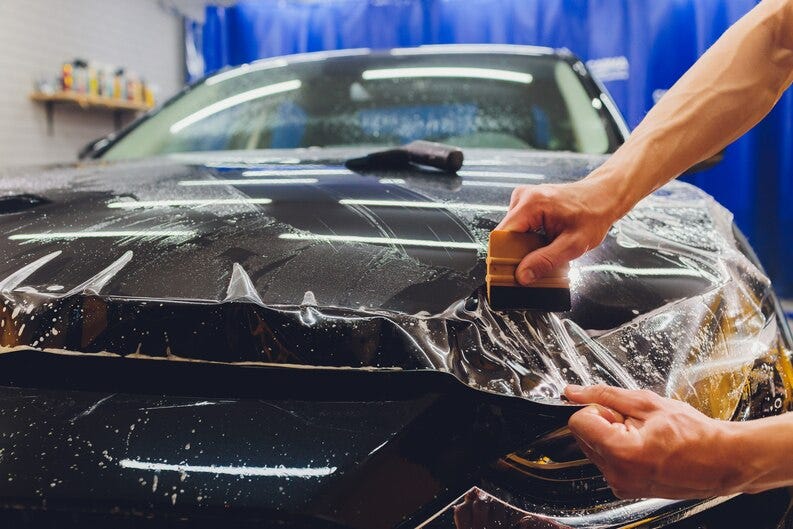
Picture this: You’ve just purchased your dream car. Every curve and contour of its design was evidently crafted with passion and precision. Now that it’s yours, the last thing you want is for the real world—harsh UV rays, road debris, bugs, and stray grocery carts—to blemish that flawless finish. Enter ppf, the automotive industry’s stealth superhero, delivering a unique blend of protection, preservation, and peace of mind to vehicle owners.
In this comprehensive exploration, we’ll unveil the art and science behind PPF services, ensuring that you’re not only equipped with the knowledge to safeguard your investment but that you also understand the craftsmanship and technology involved in the process.
Demystifying Paint Protection Film
Before we get into the nitty-gritty of PPF services, it’s essential to understand what PPF is and what it offers. Essentially, PPF is a thermoplastic urethane film applied to the painted surfaces of a vehicle to protect them from rock chips, bug splatters, and minor abrasions. The film is clear or colored and, thanks to its self-healing properties, can remove minor scratches by itself.
The Science Behind PPF
PPF isn’t just any film slapped on your vehicle. It’s meticulously engineered with layers that provide unique benefits:
Thermoplastic Urethane: This is the main building block of PPF. Its remarkable elastic properties ensure it stretches over the vehicle’s surfaces and returns to its original form without wrinkling.
Self-Healing Technology: Some PPFs have a top clear coat layer that, when scratched, can self-heal, reverting to its initial smooth state when heat (such as a car parked in the sun) is applied.
Optical Clarity: High-quality PPF should be optically clear, maintaining the gloss of your vehicle’s paint without distortion.
The PPF Application Process
The craftsmanship of applying PPF is just as significant as the science behind the film. Here’s what you can expect from the PPF application process.
Vehicle Inspection and Preparation
The PPF process begins with a comprehensive inspection of the vehicle’s surfaces. This step is crucial to identify any imperfections or pre-existing damage that must be corrected before PPF application.
Precision Cutting
Once the inspection is complete, the film is custom-cut based on the vehicle’s make and model, ensuring a perfect fit. Computer-aided design (CAD) templates or hand-cutting techniques can be used for the utmost precision.
Application and Squeegeeing
The PPF is then applied to the vehicle using a water or alcohol solution. A squeegee is used to remove bubbles and water, allowing the film to adhere entirely to the surface.
Curing
After application, the vehicle is sometimes rolled into a heat curing bay to accelerate the bond between the paint and the film.
Final Inspection
A thorough final inspection ensures that the film is free of imperfections and is perfectly placed on the vehicle’s surfaces.
Choosing the Right PPF Service
Not all PPF services are created equal. To ensure you’re getting the best protection for your vehicle, look for the following characteristics when selecting a PPF service provider:
Experience: The service provider should have a proven track record and a portfolio of satisfied customers.
In-House Expertise: The best PPF services are those that handle everything in-house, from design to application.
Quality of Material: PPF comes in different grades, and you should opt for high-quality, durable films.
Warranty: Ensure that the service provider offers a warranty that covers discoloration, cracking, peeling, and other issues.
It’s advisable to consult with multiple providers, review their work, and ask about their process and the films they use before making a decision.
Post-Application Maintenance
The application of PPF is only the beginning of the protection it offers. Post-application maintenance is crucial in ensuring the longevity of the film and the continued luster of your vehicle’s finish. Here are some post-application care tips:
Hand Washing: Frequent hand washing with a mild detergent is the best way to clean a car with PPF.
Waxing and Sealing: Certain types of waxes and sealants can be used to maintain the PPF’s glossy finish. However, for self-healing films, this step may not be necessary.
Avoiding Harsh Chemicals: Acid-based cleaners, rough sponges, and scrapers should be avoided as they can damage the film.
Professional Maintenance: Periodic visits to a professional for a thorough cleaning and inspection can extend the life of the PPF.
Delving into Discreet Defense
The installation of PPF serves as a discreet shield for your vehicle. When applied with precision, it’s nearly invisible, preserving the visual integrity of your car while providing a robust defense against everyday hazards. It’s the final layer of perfection applied to a vehicle in motion.
The Peace of Mind Promise
Perhaps the most significant value of PPF is the peace of mind it offers. Knowing that your car’s paint is protected allows you to fully enjoy the driving experience without worrying about cosmetic damages.
The Enduring Benefits
The benefits of PPF go beyond initial protection. A well-maintained PPF can enhance the resale value of your vehicle, with the paint underneath the film likely preserved in pristine condition.
Conclusion
Protecting your vehicle with PPF is a sound investment in preserving its beauty and value. Ensuring you understand the intricacies of the PPF process, the science behind the film, and making informed decisions regarding its application and care, will offer the best possible outcome for you and your beloved car.
With the right PPF service, you can drive confidently, knowing that your vehicle is guarded by the most advanced protective technology available in the automotive industry. The road to a lasting shine and undamaged paint starts with the meticulous endeavor of paint protection film application, a process that merges precision with safeguarding.