
Explanation of PRP Ovarian Rejuvenation
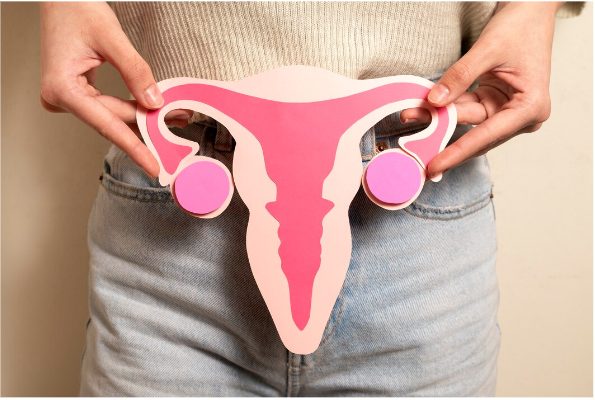
PRP Ovarian Rejuvenation is an advanced fertility treatment aiming to revitalize older or impaired ovaries. It involves injecting a patient’s Platelet-Rich Plasma (PRP) directly into the ovaries, stimulating growth factors responsible for tissue regeneration. This process can help improve egg quality and quantity, potentially enhancing fertility rates in women facing issues like premature ovarian failure or early menopause.
Clarification on how the procedure affects fertility
This procedure impacts fertility by interfering with egg or sperm production, transport, or implantation. Surgical interventions on reproductive organs may cause physical obstruction. Meanwhile, treatments like chemo and radiation can damage genetic material. However, every individual’s response varies; some maintain their fertility post-procedure while in others permanent infertility might occur. It’s important to discuss these concerns with medical professionals prior to considering PRP ovarian rejuvenation.
The Science Behind Ovarian Rejuvenation
Brief description of the human reproductive system
The human reproductive system enables the process of reproduction. Males possess a series of organs involved in producing spermatozoa, including the testes and prostate gland. Females have a set of reproductive organs responsible for egg production, fertilization, and childbearing that include the ovaries, fallopian tubes, uterus, and vagina. These systems ensure species continuation.
Explanation of the role and production of eggs
Eggs play a crucial role in baking and cooking as binding, leavening, and emulsifying agents. They also serve well for bushing pastries to provide a luscious shine. Production involves poultry farming of hens that lay the eggs, their collection, cleaning, sorting by size and weight, and then packaging for distributors; it’s carefully monitored for quality control.
Exploration of how age affects egg production
Age strongly impacts egg production in birds. As a bird matures, its egg-laying capacity increases reaching optimum levels during prime reproductive years. However, this frequency decreases substantially as it ages due to natural declines in overall vitality and hormonal balance. This age-related decline results in fewer, less viable eggs impacting the sustainability of avian populations.
Detailed overview of PRP and its benefits
Platelet-rich plasma (PRP) therapy is an innovative procedure that uses a patient’s blood to expedite healing. It concentrates platelets, leading to a higher proliferation of growth factors. PRP has shown significant benefits in treating osteoarthritis, injury recovery, and tissue repair; no risk of rejection or disease transmission enhances treatment safety. Additionally, it aids in anti-aging regenerations like revitalizing skin and hair rejuvenation.
PRP Ovarian Rejuvenation Procedure
Initial consultation and pre-procedure assessments
Initial consultation and pre-procedure assessments are crucial phases in a patient’s treatment process. They involved comprehensive health evaluations to identify risks and establish baseline parameters before any procedure takes place. During these sessions, doctors discuss possible side effects or complications with patients, addressing their concerns to provide overall transparency about the planned procedures. These steps ensure safety and promote informed decision-making in healthcare.
Step-by-step description of the process
The process begins with thorough planning, outlining actions to be undertaken. Next comes the implementation phase, where these pre-determined steps are executed accurately and diligently. These stages are subject to continuous monitoring for real-time adjustments needed for optimal results. Finally, the evaluation stage checks if the completed process has achieved its intended objectives successfully or needs revisiting.
Expected duration of the procedure
The expected duration of the procedure varies depending on its complexity and individual circumstances. For a standard routine, it may take anywhere between one to three hours. However, unpredictable situations could potentially extend this timeframe. Therefore, it is recommended that patients be prepared for flexibility concerning the given estimated span of their particular procedure.
Benefits of PRP Ovarian Rejuvenation
Explanation of how the procedure can rejuvenate eggs
The procedure for rejuvenating eggs involves a technology called in vitro maturation. This process induces the growth and division of immature egg cells outside the body, generally within a lab setting. Careful manipulation under controlled conditions stimulates eggs’ development into mature oocytes, potentially enhancing their capacity to be fertilized successfully, thereby fostering healthier pregnancies and births.
Discussion on how this could increase fertility
Increased fertility could arise from maintaining a healthy lifestyle, involving balanced nutrition, regular physical activity, and stress management. A healthy diet aids hormonal balance which is crucial for fertility. Studies showed that moderate physical activities enhance reproductive function. Stress reduction techniques like yoga may lower cortisol levels delivering positive impacts on hormones related to fertility enabling higher conception chances for both sexes.
Mention of other possible health benefits
Numerous other possible health benefits are associated with a balanced diet and regular exercise. They may increase longevity, ease the symptoms of mental illness like depression or anxiety, boost fertility, improve skin health, and enhance memory and cognition. Moreover, they can aid in preventing chronic diseases such as diabetes, heart disease, and various forms of cancer.
Risks and Complications
Possible short-term effects post-procedure
Post-procedure short-term effects depend upon the specific nature of the procedure performed. They may include localized pain and discomfort, fatigue due to anesthesia or stress, temporary swelling or bruising, and potential feelings of numbness. Limited mobility in procedural areas might occur. Other possible effects involve nausea from medication or changes in regular bodily functions temporarily. Regular observation aids in quick recovery.
Discussion on potential long-term side effects
The discussion on potential long-term side effects concentrates primarily on significant health consequences associated with prolonged use of certain medications, treatments, or exposure to specific environments. Such conversations involve scientific research studies and encourage greater medical transparency to manage expectations and adequately prepare individuals for any subsequent health impacts that may arise over time.
Explanation of mitigating these risks
Mitigating risks involves taking proactive measures to reduce potential threats and undesirable outcomes in various scenarios. This process often includes performing risk assessments, formulating strategic plans, allocating resources effectively, and implementing backup plans. Well-executed mitigation strategies enhance the overall stability and resilience of an organization or system against changing circumstances and unforeseen events.
Description of the Ideal Patient
The ideal patient exhibits patience, honesty, and open-mindedness. They are compliant with doctor’s orders, taking medications as prescribed without missing doses. They constantly communicate any health changes presently encountered while maintaining a proactive role in their healthcare journey. The ideal patient also possesses an attitude of positivity that fosters their healing capability and aids significant progress in their overall emotional well-being.
Discussion on the factors that doctors consider
Doctors consider several factors whilst providing healthcare. These include a patient’s medical history, current symptoms, and lifestyle. Besides this, they ponder on age, genetic predisposition for certain conditions, and the results of diagnostic tests. Understanding these components can enhance diagnosis accuracy, treatment effectiveness, and overall health outcomes leading to improved patient care. Hence, doctors’ view is broader than the immediate presenting circumstances
Exploring Other Fertility Options
Brief overview of other fertility treatments
Apart from IVF, other fertility treatments include intrauterine insemination (IUI), where sperm is placed directly into a woman’s uterus. Medication therapy fosters egg or sperm production. Surgery can correct blockages or abnormalities in reproductive organs. Assisted Reproductive Technology (ART) involves manipulating both eggs and sperm outside the body, while surrogacy, where a woman would become a surrogate mother, carries a pregnancy for another couple.
Comparison of PRP Ovarian Rejuvenation against other treatments
PRP Ovarian Rejuvenation is an inventive regenerative method, circumventing potential side effects compared to harsh hormone therapies or the high costs and lower success rate of IVF programs. While other treatments merely act on symptoms, PRP rejuvenates ovarian tissues directly, increasing egg quality and quantity plus encouraging balanced hormonal production – a comprehensive approach to fertility enhancement.
Conclusion
Summary of key points on PRP Ovarian Rejuvenation
PRP Ovarian Rejuvenation is a procedure to stimulate the ovaries and improve fertility. Platelet-rich plasma (PRP) is injected into the ovaries, enhancing egg quality by triggering growth factors. It aims at revitalizing dormant eggs, ideal for women having a lower ovarian reserve or early menopause. However, its efficacy varies based on the individual’s age and overall health conditions.
Encouraging words for women suffering from fertility issues
Don’t lose hope despite fertility issues. Each journey is unique, strength born from struggles transforms you into an amazing woman. Remember, your value isn’t determined by your ability to conceive but by the love existing within you. Medical technology continues to progress; lean on support networks and healthcare providers who understand your struggle intimately. You’re not alone in this fight.