
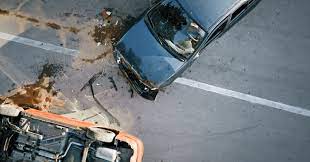
In the realm of auto accidents, understanding comparative negligence laws is paramount for all parties involved. It’s a legal principle that can significantly impact the outcome of a case, affecting compensation and liability. Dive into the concept of comparative negligence, how fault is determined, its implications on compensation, and essential tips to safeguard individual rights within these legal parameters. Seeking guidance from an experienced auto accident attorney Duluth from Kevin A. Adamson, P.C. is crucial in navigating these complexities and ensuring fair representation throughout the legal process.
What is Comparative Negligence?
Comparative negligence is a legal principle that acknowledges that accidents often involve shared responsibility. Rather than assigning blame solely to one party, comparative negligence recognizes that multiple factors may contribute to an incident. In auto accident cases, this doctrine enables courts to assess the actions and behaviors of all parties involved, considering the extent to which each contributed to the accident. This nuanced approach contrasts with the traditional binary view of fault, where one party is either wholly responsible or not at fault at all.
By embracing comparative negligence, courts can ensure that liability is distributed fairly based on the specific circumstances of each case. This allows for a more equitable allocation of damages, where individuals are held accountable for their degree of negligence rather than being absolved or burdened entirely. Ultimately, comparative negligence promotes a more nuanced and just system of determining fault in civil cases.
Navigating the Determination of Fault in Auto Accidents
In cases of auto accidents, determining fault is not always straightforward. It involves a comprehensive analysis of various factors such as traffic laws, witness testimonies, police reports, and sometimes even expert opinions. Each party’s actions leading up to the accident are scrutinized to ascertain the degree of negligence.
1. Traffic Laws
These are legal regulations governing the operation of vehicles on public roads. They encompass rules such as speed limits, right-of-way protocols, signaling requirements, and more. Violations of these laws can indicate negligence or fault in an auto accident case, providing crucial evidence for determining liability.
2. Witness Testimonies
These are firsthand accounts provided by individuals who observed the accident. Witness testimonies offer valuable perspectives on the sequence of events, vehicle maneuvers, road conditions, and any other relevant details surrounding the accident.
3. Police Reports
These are official documents prepared by law enforcement officers who respond to the scene of an accident. Police reports typically include details about the parties involved, descriptions of vehicle damage, diagrams of the accident scene, statements from witnesses, and any citations issued. They serve as important pieces of evidence in determining fault and liability.
4. Expert Opinions
In some cases, experts such as accident reconstruction specialists or medical professionals may offer their professional opinions. Accident reconstruction experts use scientific methods to analyze factors like vehicle speed, impact angles, and road conditions to reconstruct the accident sequence. Medical experts may provide insights into the extent of injuries sustained and their implications for determining fault. These expert opinions can provide valuable insights into the case.
Implications on Compensation
The implications of comparative negligence on compensation are profound and directly tied to the degree of fault assigned to each party involved in an auto accident. When determining compensation, courts assess the extent to which each party contributed to the incident. If an individual is found partially at fault, their awarded compensation is reduced proportionally. This reduction reflects the concept of shared responsibility and ensures that compensation aligns with the level of culpability.
For example, if a court determines that a driver is 30% responsible for an accident, they would receive only 70% of the total damages awarded. This system promotes fairness by acknowledging varying degrees of fault and prevents individuals from being unjustly enriched or unfairly burdened. It also serves as a deterrent against negligent behavior, as parties are held accountable for their actions and their financial repercussions. Ultimately, the compensation awarded under comparative negligence reflects a balanced and equitable resolution tailored to the specifics of each case.
Tips to Protect Individual Rights
- Document Everything: After an accident, document as much information as possible, including photographs, witness statements, and police reports. These types of evidence can be really helpful when trying to determine who is at fault.
- Seek Legal Counsel: Consulting with an experienced attorney specializing in auto accident cases, such as someone from Kevin A. Adamson, P.C. is crucial. They can navigate the complexities of comparative negligence laws and advocate for your rights effectively.
- Avoid Admitting Fault: Refrain from admitting fault or making statements that could be misconstrued as an admission of guilt. Let the legal process determine fault objectively.
- Be Prepared for Negotiations: In settlement negotiations, be prepared to defend your position and negotiate for a fair outcome. Understanding your rights and the intricacies of comparative negligence will empower you during these discussions.
Conclusion
Grasping the intricacies of comparative negligence laws is essential for anyone involved in auto accident cases. By understanding how fault is established and the direct correlation it holds with compensation, individuals can better advocate for their rights. Seeking guidance from a skilled Duluth auto accident attorney is paramount in this process, as they offer expertise in navigating complex legal procedures and negotiating fair resolutions. Armed with this knowledge and legal support, individuals can confidently pursue just outcomes and ensure their rights are protected in the aftermath of an accident.