
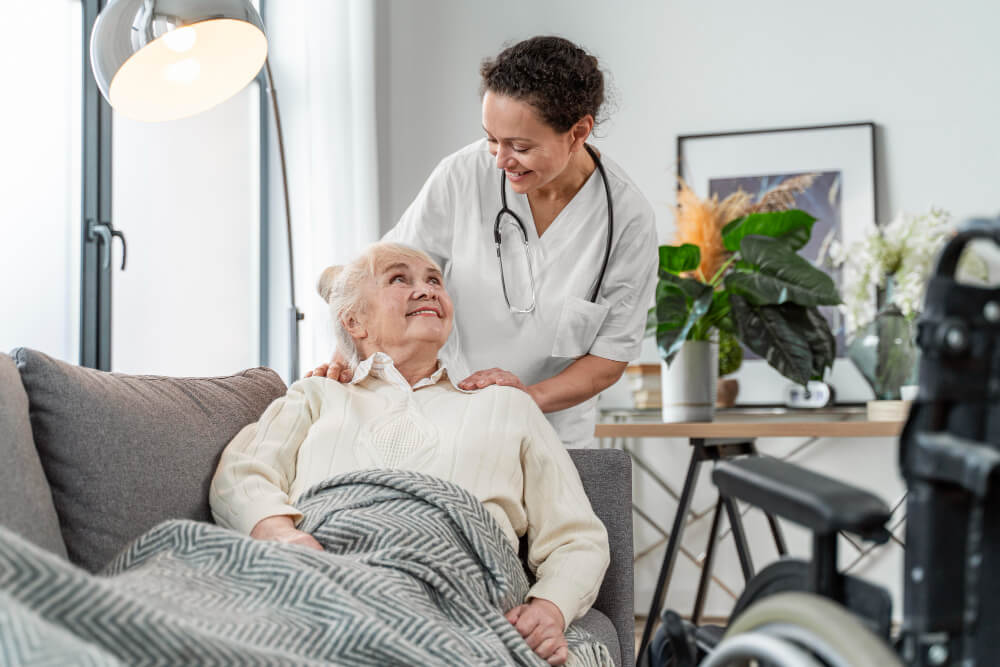
In recent years, there has been a noticeable shift towards in-home care for elders, and for good reason. This trend reflects a growing understanding of the benefits that such care offers, not just for the elderly themselves but also for their families. From providing personalized attention to ensuring comfort and convenience, in-home care has become a preferred choice for many families seeking to support their aging loved ones. For instance, when you search for “in home care services for elderly 800“, it’s most likely to give you the results of all the in-home care clinics in the locality you are staying in, emphasizing the demand for such services. This article dives into the advantages of in-home care for elders and why it has become a popular option today.
Maintaining Independence and Familiarity:
Imagine your grandfather, a man who’s cherished his independence for decades, suddenly facing limitations that make daily tasks difficult. In-home care allows him to remain in his familiar surroundings, surrounded by cherished memories and a sense of comfort. This continuity can significantly reduce anxiety and promote a sense of well-being, positively impacting both physical and mental health.
In-home caregivers assist with daily living activities (ADLs) such as bathing, dressing, and medication management. They can also help with meal preparation, light housekeeping, and transportation to appointments, ensuring your loved one receives the care they need while maintaining their autonomy as much as possible.
Personalized Care Tailored to Individual Needs:
Unlike the standardized care offered in assisted living facilities, in-home care allows for a personalized approach. Caregivers take the time to understand each individual’s unique needs, preferences, and routines. This personalized approach fosters a trusting relationship between the caregiver and the senior, leading to a higher quality of care and improved overall well-being.
Furthermore, in-home care plans are flexible and can be customized to adapt to changing needs. Whether it’s an increase in required assistance or adjustments due to medical conditions, the care plan can be readily modified to ensure your loved one receives the appropriate level of support at every stage.
Peace of Mind for Families:
In-home care offers invaluable peace of mind for families juggling work, personal commitments, and the desire to be actively involved in their loved one’s care. Regular updates from caregivers ensure families stay informed about their loved one’s well-being, allowing them to focus on emotional support and quality time spent together.
Moreover, in-home care providers can offer valuable guidance and support to families navigating complex care decisions. They can connect families with relevant resources, answer questions, and provide a sense of partnership in ensuring the best possible care for their loved ones.
Addressing Concerns and Misconceptions:
When considering in-home care for your loved ones, it’s natural to have questions and concerns. Here are some common misconceptions addressed:
Cost: While in-home care might seem expensive initially, weighing the costs against the long-term financial implications of alternative care options, such as assisted living facilities or nursing homes, is crucial. Additionally, many families find that in-home care allows seniors to avoid unnecessary medical interventions, potentially leading to cost savings in the long run.
Quality of care: Reputable in-home care agencies conduct thorough background checks, reference checks, and training for their caregivers. They also ensure ongoing supervision and support for their caregivers, guaranteeing consistent quality care.
Loss of independence: As mentioned earlier, in-home care prioritizes maintaining independence and respecting individual choices. Caregivers empower seniors to make decisions whenever possible, fostering a sense of control and dignity.
Making the Decision: Exploring Your Options
If you’re considering in-home care for your loved one, it’s important to research and compare different agencies and caregivers. Look for agencies that are licensed, bonded, and insured. Meet with potential caregivers to assess their qualifications, experience, and compatibility with your loved one’s personality and needs.
Remember, choosing the right in-home care provider is a crucial decision. Take your time, ask questions, and don’t hesitate to seek recommendations from trusted sources like doctors, social workers, or friends who have used in-home care services.
Summing it Up:
In conclusion, the advantages of in-home care for elders are numerous and compelling. From personalized attention and familiar surroundings to promoting independence and enhancing safety, in-home care offers a holistic approach to elder care that prioritizes the well-being and dignity of seniors. As more families recognize the benefits of in-home care, this trend is likely to continue, shaping the future of elder care services to prioritize comfort, convenience, and quality of life. For example, when individuals search for “in home care services for elderly“, they will most likely find a comprehensive list of in-home care clinics , highlighting the increasing demand for such services. Whether for short-term assistance or long-term care, in-home care remains a valuable option for elders and their families.