
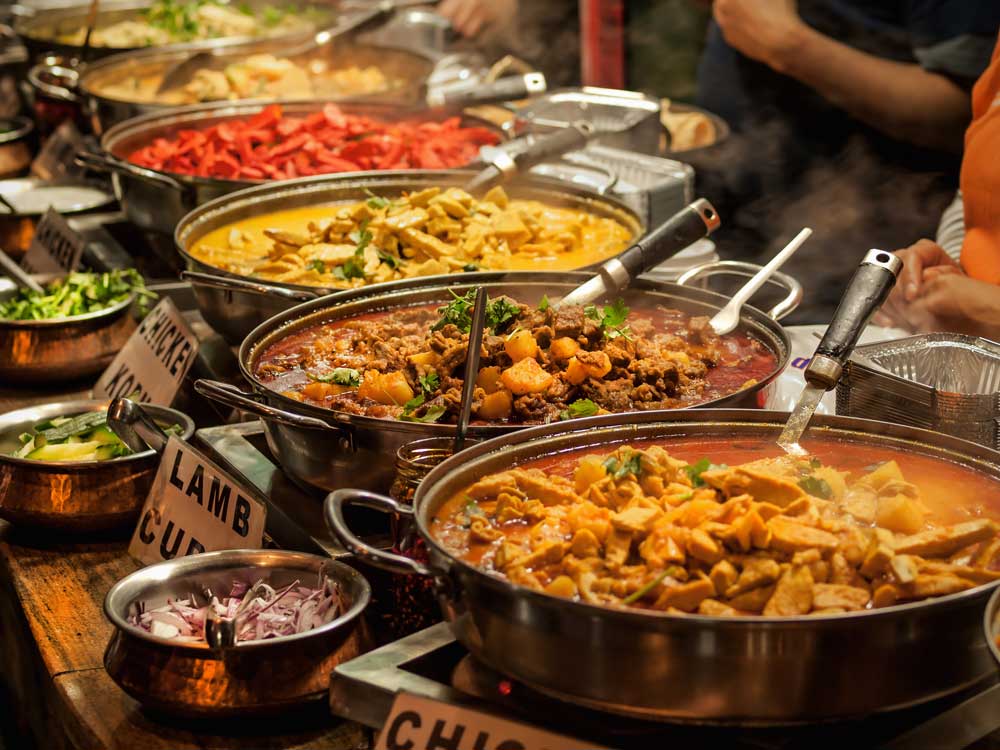
In today’s world, food safety is a paramount concern. With the increasing complexity of food supply chains and the ever-evolving nature of foodborne illnesses, it’s crucial for businesses in the food industry to adhere to stringent regulations. In India, the Food Safety and Standards Authority of India (FSSAI) plays a pivotal role in ensuring that food businesses comply with safety standards. FSSAI renewal process and Shop Act registration are two vital aspects that every food business operator should be well-versed in.
Understanding FSSAI and Its Importance
FSSAI is an autonomous body under the Ministry of Health and Family Welfare, Government of India. It was established to regulate and monitor food safety in India. Here are some key reasons why FSSAI is crucial:
Consumer Safety: FSSAI sets standards to ensure that the food consumed by the public is safe and free from contamination or adulteration.
Business Credibility: Obtaining an FSSAI license enhances the credibility of a food business. It assures customers that the products they are consuming meet certain safety standards.
Legal Requirement: It is mandatory for all food businesses in India to obtain an FSSAI license. Operating without a valid license can lead to legal consequences, including fines and closure of the business.
Market Access: Many retailers and distributors require FSSAI certification before agreeing to stock products. Therefore, having a valid FSSAI license expands market opportunities for food businesses.
FSSAI Renewal Process: Why and When to Do It
An FSSAI license is not a one-time affair; it requires periodic renewal. The renewal process is crucial to ensure that food businesses continue to comply with safety standards and regulations. Here’s why and when you should renew your FSSAI license:
Validity Period: FSSAI licenses are typically valid for one to five years, depending on the type of license obtained. It’s essential to renew the license before it expires to avoid any interruptions in business operations.
Regulatory Compliance: Renewal ensures that food businesses stay updated with any changes in regulations or standards set by FSSAI.
Continuous Monitoring: Renewal provides an opportunity for FSSAI to reassess the compliance of food businesses with safety standards and take corrective actions if necessary.
Consumer Trust: Regular renewal demonstrates a commitment to food safety and enhances consumer trust in the brand.
How to Renew FSSAI License
Renewing an FSSAI license involves a straightforward process:
Check Renewal Date: Keep track of the expiration date of your FSSAI license to initiate the renewal process in a timely manner.
Prepare Documents: Gather necessary documents such as proof of identity, address, and business operations, along with the original FSSAI license.
Submit Application: Fill out the renewal application form online through the FSSAI portal or offline at the designated office.
Pay Fees: Pay the requisite renewal fees online or through a bank challan.
Await Approval: Once the application is submitted, wait for FSSAI to review and approve the renewal.
Shop Act Registration
In addition to obtaining an FSSAI license, food businesses in India may also need to register under the Shop and Establishment Act. This registration is mandatory and governs the working conditions of employees in commercial establishments. Here’s why Shop Act registration is important:
Legal Compliance: It is a legal requirement for all businesses, including food establishments, to register under the Shop and Establishment Act within 30 days of commencement of operations.
Employee Welfare: The Act ensures that employees receive benefits such as minimum wages, working hours, and leave entitlements, thereby safeguarding their rights.
Business Operations: Shop Act registration is necessary for obtaining other licenses and permits required to operate a food business legally.
Ensuring food safety is not just a moral obligation but also a legal requirement for food businesses. Obtaining and renewing an FSSAI license, along with registering under the Shop and Establishment Act, are essential steps in demonstrating compliance with safety standards and regulatory requirements. By adhering to these processes, food businesses contribute to safeguarding public health and building trust among consumers.