
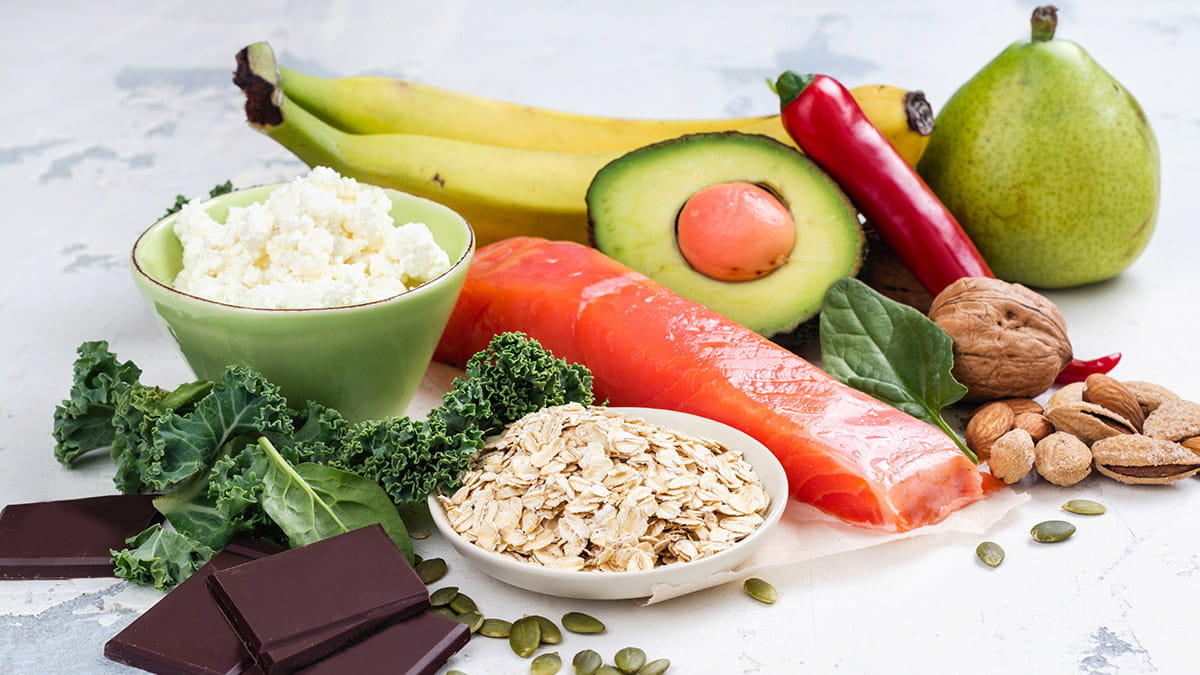
Brain food refers to foods that are said to be particularly good for the brain. But what nutrients do our gray cells need? And which foods are the perfect snack while playing legacy of dead?
The human brain is the central control center of the organism, where all information comes together. For it to work smoothly, the brain needs three things above all: sufficient oxygen, blood, and the right nutrients. Brain food should provide the right nutrients.
THE BRAIN NEEDS NUTRIENTS
Brain food: To keep the brain healthy, it needs a balanced diet – and enough fluids. Our brain is so complex that we are still far from fully understanding it and how it works. Nevertheless, science agrees on some points. When it comes to the right supply, the following points are particularly important:
Water: Even before the actual brain food, there is “brain liquid” – the brain needs sufficient fluid. A lack of water quickly manifests itself in headaches, tiredness, or poor concentration. That’s why you should drink around one and a half to two liters throughout the day – preferably water or tea. On hot days or during physically strenuous phases, you can also drink more.
Carbohydrates: The brain gets the energy it needs from carbohydrates. Instead of fast sugars, you should focus on complex carbohydrates. These are slowly broken down into glucose in the digestive tract – so the brain gets the glucose it needs over a longer time.
Protein: Protein consists of amino acids, which serve as a building material for neurotransmitters. These are also called neurotransmitters and are responsible for the transmission of information in the brain. The body cannot produce eight of the 20 amino acids – they have to be supplied with food.
Fat: Brain and nerve cells are padded with fatty tissue for protection. Unsaturated fatty acids, especially omega-3 fatty acids, are important for brain function and makeup two-thirds of the fatty acids in the brain.
Vitamins: The brain needs vitamins to produce messenger substances and to protect the cells from free radicals. The most important vitamins include vitamin A, vitamin E, vitamin C, and B vitamins B1, B6, folic acid, and B12.
Minerals: Minerals and trace elements are important for many tasks in the brain, especially in the transmission of information. Calcium, magnesium, and iron are particularly important here.
WHERE TO GET YOUR CARBOHYDRATES
Legumes are welcome on your plate more often: They provide the brain with healthy carbohydrates. The brain needs around 120 grams of glucose a day. Sweets provide this simple sugar quickly, but after the short energy boost, the sugar level drops rapidly again. However, the brain needs a constant supply of glucose, which is provided by long-chain, complex carbohydrates. The best sources of these are.
- Whole grains, for example, bread made from wholemeal flour
- Pulses such as lentils, beans, and peas
- potatoes
- Some types of fruit and vegetables, for example bananas
- Dried fruit, muesli bars, or trail mix
Especially if you use your brain a lot, you should avoid too long breaks between meals: After five hours or more, your blood sugar levels will have dropped so low that your ability to concentrate will be impaired.
GOOD SOURCES OF PROTEIN FOR A HEALTHY BRAIN
Nuts and seeds are wonderful sources of protein and can therefore rightly be considered brain food. To keep our thinking apparatus in top form, we also need sufficient protein. You don’t necessarily need meat or animal products such as eggs and yogurts to cover your protein intake. Although these are good sources of protein, you can also meet your protein requirements with a vegetarian or vegan diet. The best brain foods are in this category:
- Pulses such as lentils, beans, and peas
- Soy products
- Wholegrain cereals
- Nuts, especially peanuts, hazelnuts and walnuts
- Seeds, especially hemp seeds, pumpkin seeds, sunflower seeds, linseed and chia seeds
- Animal products such as cheese, turkey breast, beef, salmon, prawns, low-fat quark, or eggs
BRAINFOOD: FOODS WITH UNSATURATED FATTY ACIDS
Its appearance is reminiscent of the human brain, and it may also be associated with it because of its nutrients: Walnuts provide beneficial omega-3 fatty acids. When it comes to fats, a distinction is made between saturated and unsaturated fatty acids. Saturated fatty acids are mainly found in hydrogenated fats (for example in margarine or animal fats) and should be consumed with caution.
Our body and brain primarily need unsaturated fatty acids, which are divided into monounsaturated and polyunsaturated fatty acids. Polyunsaturated fatty acids are also known as essential fatty acids. The best sources of these healthy fatty acids are:
- Nuts, especially walnuts and Brazil nuts
- almonds
- High-quality vegetable oils, for example, rapeseed oil, linseed oil, walnut oil, or soybean oil
- Seeds, especially hemp seeds and cashews
- Fatty fish such as salmon, mackerel, eel, herring, tuna, or sardines (but beware: 5 reasons why we should stop eating fish)