
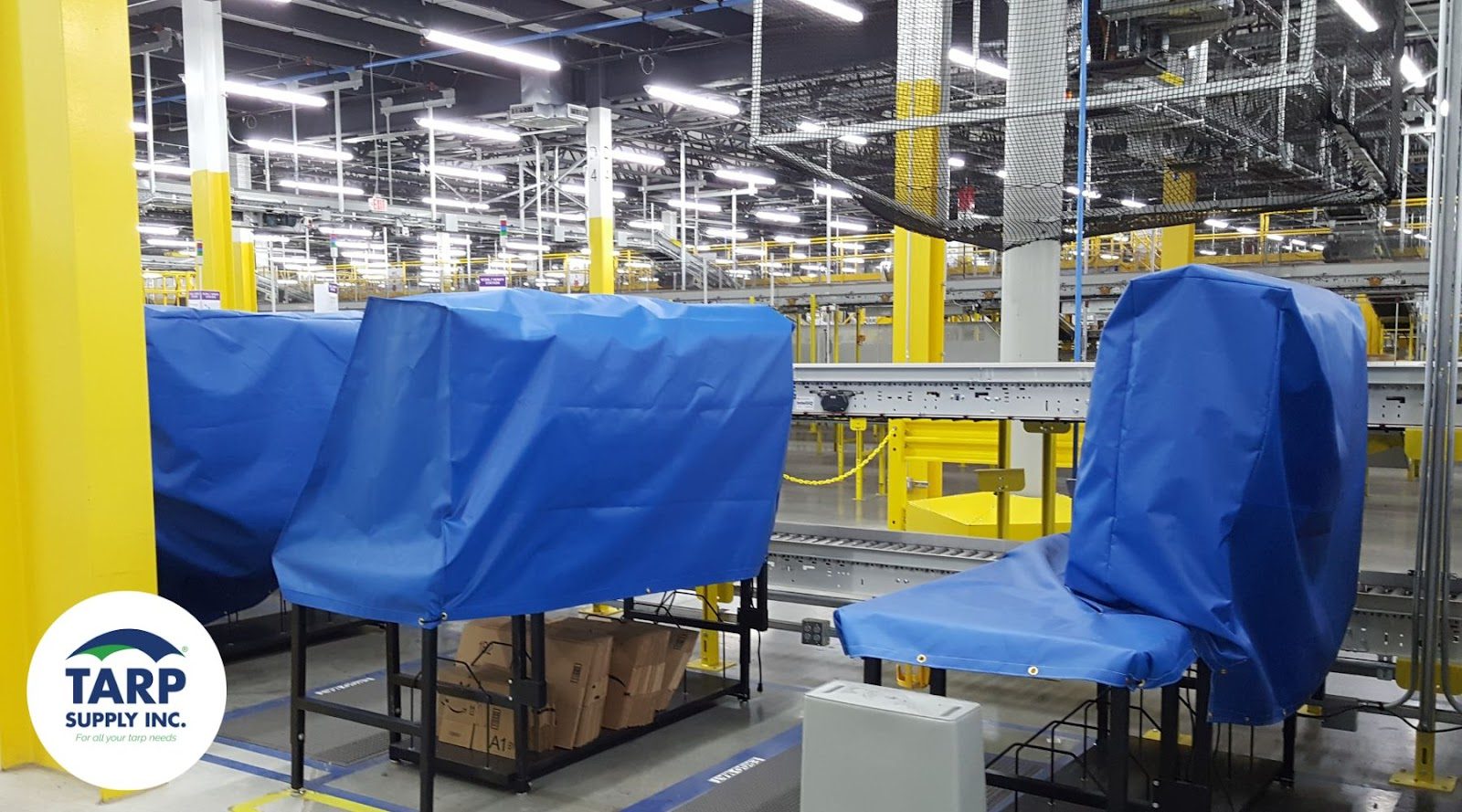
Amidst outdoor gear’s resilient ranks, heavy duty tarps emerge as unsung champions. Crafted from versatile, rugged fabrics, these sheets provide myriad applications – safeguarding gear/structure outdoors while offering makeshift shelters when needed and explore heavy duty tarps‘ world, delving into diverse uses, materials, and core advantages.
Heavy Duty Tarp Essentials
Built strong with water-resistant polyethylene, canvas, or vinyl, heavy duty tarps (a.k.a. tarpaulins) outshine standard lightweight counterparts designed for temporary cover. Tailored to withstand harsh elements/prolonged exposure, these robust covers reign supreme in outdoor durability.
Where Heavy Duty Tarps Shine
- Construction Frontlines
On construction sites, these powerhouses protect equipment, materials, and work zones. The shield supplies from rain, wind, UV – ensuring resources stay intact, usable. Invaluable construction allies.
- Agricultural Arenas
In farming, indispensable heavy duty tarps serve diverse roles. Covering hay bales, shielding crops from inclement weather, creating livestock shelters – their ruggedness safeguards agriculture’s vital assets.
- Transportation & Storage Salvation
Heavy duty tarps shield goods on open vehicles from weather. They keep cargo dry and secure in transit, reducing damage risk from rain, snow, or debris. Also, heavy duty tarps are great for covering outdoor storage like fire wood, equipment, or vehicles.
- Camping and Outdoor Activities
For outdoor lovers, heavy duty tarps are essential camping gear. They can be ground covers, tent footprints, or rain flies, providing shelter and protection in the wilderness. Their durability and versatility make them ideal for outdoor adventures.
Materials and Construction
Heavy duty tarps are made from various materials, each with distinct advantages:
- Polyethylene
Polyethylene tarps are lightweight, waterproof, and tear and abrasion resistant. They are an economical choice for general outdoor protection and come in various thicknesses for different needs.
- Canvas
Canvas tarps are strong and breathable. They offer excellent UV protection and are less prone to condensation than plastic tarps. Canvas tarps are often used for long-term outdoor applications like covering vehicles or creating durable outdoor shelters.
- Vinyl
Vinyl tarps are heavyweight champions known for durability and weather resistance. They excel in extreme conditions, making them ideal for industrial, commercial, and marine applications. While more expensive, vinyl tarps offer unparalleled protection and longevity.
The Big Advantages of Heavy Duty Tarps
- Weather Protection
Heavy duty tarps rock at shielding against Mother Nature’s worst. Rain, blowing snow, howling winds, blazing sun – they won’t budge. Their waterproof super power, UV resistance save the day. Year-round, they got your back.
- Built To Last
With armor-tough materials, heavy duty tarps are indestructible. Outlasting outdoor thrashing, repeated use, they defy rips, wear. Reinforced seam stitching locks in durability. Smart cash move for long-haul safeguarding.
- Ready For Anything
These tarps’ versatility is astonishing. Custom Tarp fitted, they adapt to countless needs – covering tools, making makeshift shelters. With clever rigging, accessories, they transform, tackle any job.
- Mobile Protection
Surprising portability for their heft. These beefy tarps fold, roll compactly. Transport with ease when on-the-go security matters. Game-changers for outdoorsy types, contractors, wherever rr portability’s key.
Heavy Duty Tarps Level Up
As tech progresses, these durable dudes advance. Cutting-edge versions crafted for specialized industries, custom uses demand specialized designs. Their potential is boundless, evolving continuously.
- Flame Retardant Tarps
For environments prioritizing fire safety, flame retardant tarps provide an extra protection layer. These tarps undergo chemical treatment to inhibit combustion, reducing fire-related risks at construction sites, industrial facilities, and events.
- Insulated Tarps
Insulated tarps offer thermal protection for applications requiring temperature control. They feature insulation layers like foam or reflective foil between durable outer layers. Ideal for covering sensitive equipment, protecting against extreme temps, or creating climate-controlled work areas.
- Anti-Microbial Tarps
In environments emphasizing hygiene, like healthcare facilities or food processing plants, anti-microbial tarps prevent bacterial, mold, and mildew growth. Treated with antimicrobial agents inhibiting microbial growth, ensuring clean, sanitary conditions.
- UV-Resistant Tarps
Ultraviolet (UV) exposure can deteriorate and fade materials over time. UV-resistant tarps withstand prolonged sunlight exposure without degrading or losing protective properties. Perfect for outdoor applications with unavoidable sun exposure.
Environmental Considerations
While heavy-duty tarps offer unparalleled protection and durability, their production and disposal impact the environment. As consumer environmental awareness grows, manufacturers increasingly focus on sustainable practices.
- Materials Recycled
Now manufacturers offer heavy duty tarps from recycled materials like plastics used by people or textiles reclaimed. These tarps reduce waste and environmental impact by reusing resources.
- Options that Biodegrade
Tarps designed to break down over time naturally are biodegradable. These typically use plant materials like hemp or jute that safely decompose when disposed of properly, reducing burden on landfills and ecosystems.
- Eco Coatings
Some heavy duty tarps have eco-friendly coatings without harmful toxins or chemicals. These enable safe use in sensitive environments while minimizing environmental harm.
Outlook and Emerging Trends
Shaping heavy duty tarps’ future, here are emerging trends:
- Smart Tarps
With IoT rise, smart tarps with sensors and connectivity monitor conditions like temperature, wind speed, humidity, giving real-time data users can use to adjust strategies based on changing conditions proactively.
- Customization
As preferences diversify, heavy duty tarp manufacturers offer customization options for colors, sizes, features. This flexibility allows tailoring for branding, aesthetics, needs, and personalization.
- Modular Designs
Tarps featuring swappable components are in trend, especially for camping enthusiasts. The tarps allow users to customize their shelters via zip-on walls, doors, and windows. Users get to decide their shelter’s layout and design. Modular tarps offer adaptability and variety, making outdoor spaces flexible.
- Sustainable Materials
With eco-consciousness rising, demand for tarps made using renewable or recycled stuff is climbing. Manufacturers explore bamboo, recycled polyester, bioplastics – materials kinder to nature – while ensuring quality. Sustainable tarps reduce environmental harm without compromising durability or performance.
Key Extras and Components
Beyond their basic uses, sturdy tarps gain extended power and adaptability from additional features and attachments:
- Reinforced Openings and Edges
Metal or plastic rings bolster tarp edges, allowing firm ties to ropes, cords, stakes. Dense grommets and sewn edging prevent tearing, fraying — crucial for winds or strains. This anchoring strength provides extra durability, stability.
- See-Through Sections
Transparent panels from solid PVC or polycarbonate enable light entry while shielding elements. Clear window portions suit construction sites requiring visibility, greenhouses needing sunlight, or outdoor events demanding an unobstructed view.
- Air Flow Chambers
Vented coverings integrate mesh panels or designed openings to promote air circulation while repelling precipitation and particles. These breathable shelters suit temporary quarters, outdoor camping, storage compartments where ventilation proves essential for comfort, safety.
- Reflective Coatings
In hot places or sunny areas, durable tarps with reflective coverts help reduce heat absorption. These keep cooler temperatures under them. Tarps get treated with reflective materials or coatings. These reflect sunlight and UV rays, so there’s less heating. They also minimize damage to covered things. People often use reflective tarps to cover vehicles, outdoor workspaces, or temporary shelters in sunny spots.
Conclusion
Strong tarps are a must for outdoor protection, tough, adaptable, reliable for wide use. Advanced features, handy tips, customization make these sturdy covers keep evolving your changing needs in industries and conditions. With new technology, materials, and designs, these vital tools keep guarding valuables, promoting safety, and handling adversity in the future.