
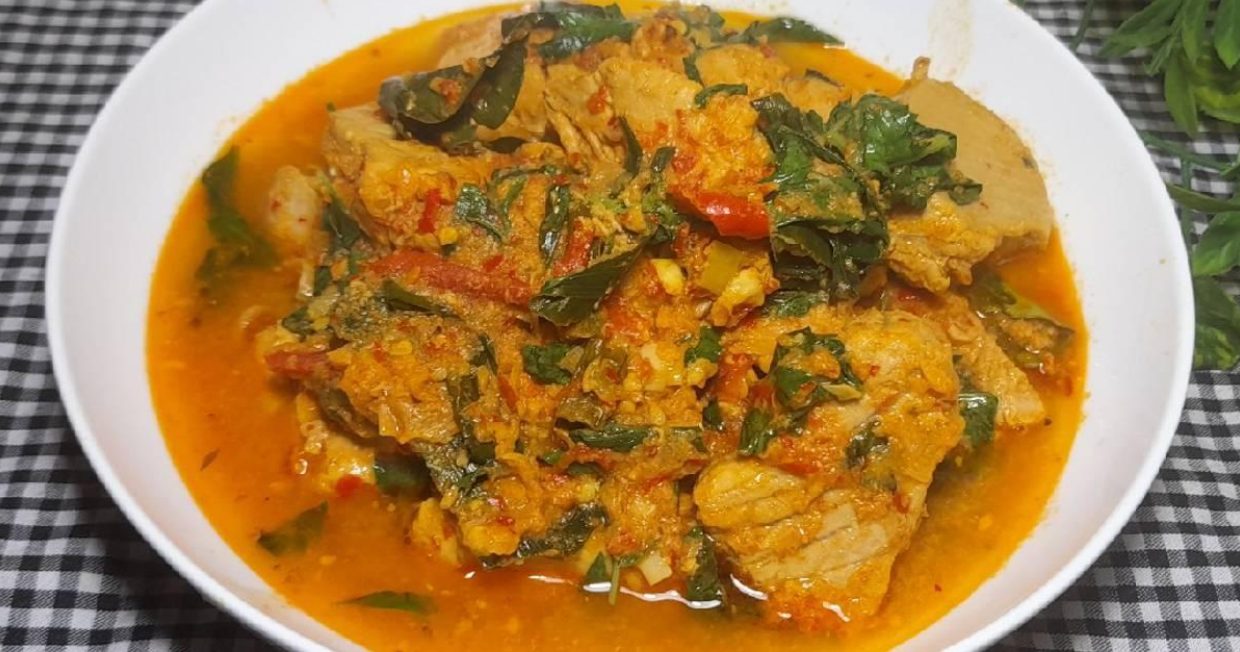
Tuna Woku is a traditional dish hailing from the Minahasa region of North Sulawesi, Indonesia. Bursting with flavors and spices, Tuna Woku offers a culinary experience like no other, combining the freshness of seafood with the richness of local herbs and spices. In this article, we delve into the origins, ingredients, and preparation of Tuna Woku, as well as its cultural significance and the unforgettable taste sensations it evokes.
Unveiling the Origins of Tuna Woku
Tuna Woku traces its roots back to the Minahasa people, an ethnic group indigenous to the northern part of Sulawesi island. The dish has been passed down through generations, with each family angkabet adding its own unique twist to the recipe. Originally, Tuna Woku was prepared using fish caught fresh from the waters of the Celebes Sea, reflecting the region’s abundant marine resources and the Minahasan people’s reliance on fishing for sustenance.
Discovering the Ingredients
The key to Tuna Woku’s irresistible flavor lies in its blend of aromatic herbs and spices. Central to the dish is the use of fresh tuna, which is marinated in a mixture of turmeric, ginger, galangal, lemongrass, and lime leaves. The addition of shallots, garlic, tomatoes, and chili peppers adds depth and complexity to the flavor profile, while coconut milk lends a creamy texture and richness to the sauce. Each ingredient is carefully selected and combined to create a harmonious balance of flavors that tantalize the taste buds.
Preparing the Perfect Tuna Woku
The preparation of Tuna Woku is a labor of love, requiring patience, precision, and a deft hand with spices. To begin, the fresh tuna is cleaned, cut into chunks, and marinated in a mixture of turmeric and lime juice to tenderize and infuse it with flavor. Meanwhile, a paste is made by grinding together the aromatic herbs and spices, which is then sautéed in coconut oil until fragrant. The marinated tuna is added to the paste along with coconut milk, tomatoes, and chili peppers, and simmered gently until the flavors meld together into a tantalizing symphony of taste.
Savoring the Culinary Delight
The moment of truth arrives when the Tuna Woku is served piping hot, garnished with fresh herbs and accompanied by steamed rice or traditional side dishes such as corn fritters and cassava leaves. With its vibrant colors, enticing aroma, and rich flavors, Tuna Woku is a feast for the senses that delights both the palate and the soul. The tender chunks of tuna, bathed in a fragrant coconut curry sauce, melt in the mouth, while the subtle heat from the chili peppers leaves a tingling sensation on the tongue. Each bite is a journey of discovery, revealing new layers of flavor and texture with every mouthful.
Understanding the Cultural Significance
Beyond its culinary appeal, Tuna Woku holds deep cultural significance for the Minahasa people, symbolizing their connection to the land and sea and their culinary heritage. The dish is often served during special occasions and celebrations, such as weddings, festivals, and religious ceremonies, where it brings people together to share in the joys of food and fellowship. Tuna Woku is not just a meal; it is a reflection of the Minahasan way of life, rooted in a deep appreciation for nature’s bounty and the importance of community and tradition.
Embracing Variations and Innovations
While the traditional recipe for Tuna Woku remains cherished and revered, chefs and home cooks alike continue to innovate and experiment with new variations and interpretations of the dish. Some may add additional ingredients such as shrimp, squid, or vegetables to create unique flavor combinations, while others may adjust the levels of heat and spice to suit their personal preferences. These variations reflect the dynamic nature of Indonesian cuisine, where tradition and innovation coexist harmoniously, ensuring that Tuna Woku remains a beloved culinary treasure for generations to come.
A Culinary Journey of Discovery
Tuna Woku is more than just a dish; it is a culinary journey that celebrates the rich flavors, vibrant colors, and cultural heritage of the Minahasa region. From its humble origins to its modern-day interpretations, Tuna Woku continues to captivate the hearts and taste buds of all who have the pleasure of experiencing its exquisite flavors. As we savor each bite of this delectable dish, let us also savor the stories, traditions, and memories that have been passed down through generations, enriching our understanding and appreciation of Indonesian cuisine.
Preserving Tradition in a Modern World
In the fast-paced world of culinary innovation and globalization, the preservation of traditional dishes like Tuna Woku is of paramount importance. As tastes evolve and trends come and go, it is essential to safeguard the cultural heritage and culinary traditions that have shaped communities for centuries. Through initiatives such as cooking classes, culinary tours, and community events, efforts can be made to pass down the knowledge and techniques of preparing Tuna Woku to future generations, ensuring that its legacy endures for years to come.
Exploring Health Benefits
Beyond its exquisite taste and cultural significance, Tuna Woku also offers numerous health benefits. Tuna, a lean source of protein, is rich in omega-3 fatty acids, which are essential for heart health and brain function. The array of herbs and spices used in Tuna Woku, such as turmeric and ginger, are known for their anti-inflammatory and antioxidant properties, promoting overall well-being and vitality. By incorporating Tuna Woku into their diet, individuals can enjoy a delicious and nutritious meal that nourishes both body and soul.
Promoting Sustainable Fishing Practices
As Tuna Woku continues to gain popularity both domestically and internationally, it is crucial to promote sustainable fishing practices to ensure the long-term viability of tuna stocks. Overfishing and destructive fishing methods pose a significant threat to marine ecosystems and the livelihoods of coastal communities. By advocating for sustainable fishing practices, such as selective harvesting, regulated fishing quotas, and the protection of marine habitats, stakeholders can help safeguard the future of tuna fisheries while preserving the cultural and culinary heritage associated with dishes like Tuna Woku.
A Taste of Tradition and Innovation
Tuna Woku embodies the rich tapestry of flavors, aromas, and traditions that define Indonesian cuisine. From its humble beginnings in the kitchens of Minahasan homes to its emergence as a beloved culinary treasure, Tuna Woku continues to captivate food enthusiasts around the world with its bold flavors and cultural significance. As we savor each bite of this exquisite dish, let us also celebrate the stories, traditions, and heritage that have been passed down through generations, enriching our culinary experiences and connecting us to the vibrant tapestry of Indonesian culture.