
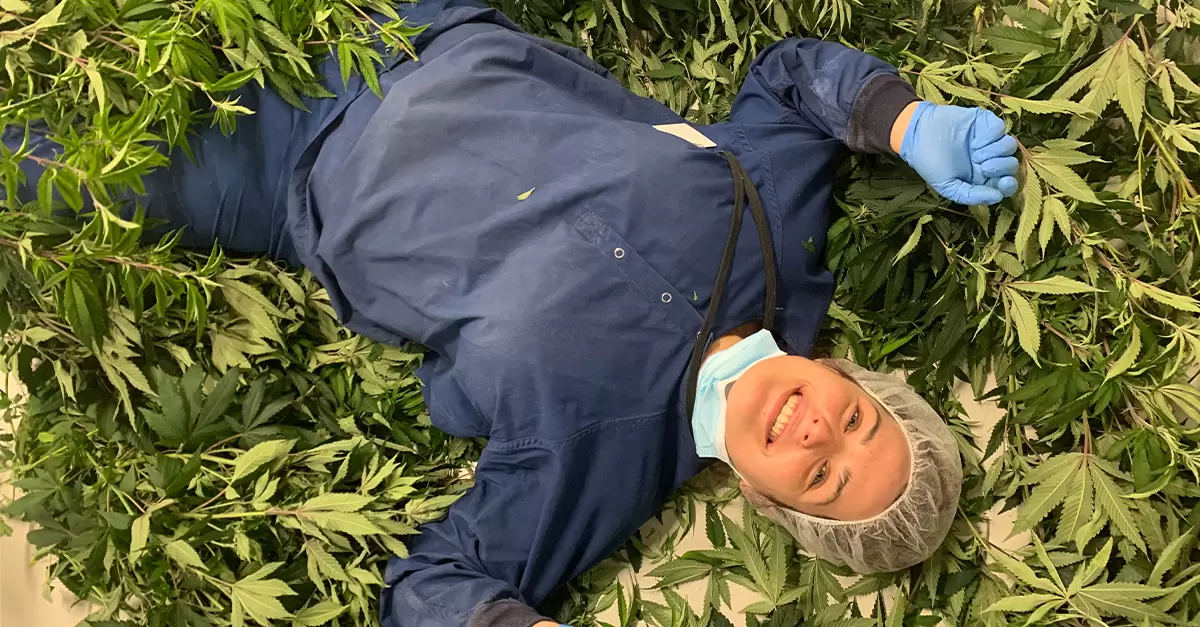
In recent years, the perception of cannabis has undergone a significant transformation. Once stigmatized and associated with illicit activities, it’s now at the forefront of innovative medical and wellness practices. This seismic shift is reshaping societal norms and expanding one’s understanding of therapeutic possibilities.
One notable example of this change is the evolving DC cannabis market, which exemplifies how regulation and acceptance can foster a responsible and beneficial relationship between consumers and cannabis products.
On the other hand, keep reading this article to learn how cannabis is changing medicine and wellness.
Historical Context and Changing Perceptions
The narrative of cannabis has been a rollercoaster through history, swinging from widespread use in ancient medicine to a period of profound vilification in the 20th century. This demonization was fueled by political, racial, and economic factors that sought to marginalize cannabis and its users. The “Reefer Madness” era epitomized this, casting cannabis as a dangerous drug.
However, the tide began to turn as scientific inquiries and patient testimonials highlighted its therapeutic potential. Diseases once deemed untreatable were now being managed with cannabis, challenging long-held biases and opening the door to a renaissance in herbal medicine. This shift redefined cannabis’s role in healthcare and began mending its tarnished reputation.
The Role of Legislation in Shaping the Future
Legislation is the cornerstone upon which the cannabis renaissance is built. The transition from prohibition to legalization, especially in places like Washington D.C., has been nothing short of revolutionary. These legal changes are not merely administrative but deeply symbolic, marking a societal acknowledgment of cannabis’s value.
Regulatory bodies have been tasked with balancing public safety with access, leading to the establishment of dispensaries, cultivation centers, and research facilities. This legal infrastructure has legitimized cannabis, encouraging scientists, physicians, and entrepreneurs to explore its potential without fear of legal repercussions.
Cannabis in Modern Medicine
The integration of cannabis into modern medicine represents a confluence of tradition and innovation. Compounds like CBD and THC, once shrouded in mystery, are now the subjects of intense scientific scrutiny. Their efficacy in relieving chronic pain offers a beacon of hope for those suffering from conditions like multiple sclerosis and arthritis, while their neuroprotective properties are opening new frontiers in the treatment of epilepsy.
Perhaps most compelling is the role of cannabis in oncology, where it alleviates the harrowing side effects of chemotherapy and shows promise in antitumor activity. This paradigm shift towards a more integrative approach in medicine underscores the growing recognition of cannabis’s multifaceted role in patient care, symbolizing a departure from a one-size-fits-all methodology to a more personalized and compassionate approach to healing.
Mental Health Applications
Cannabis is emerging as a significant player in mental health care, especially in treating anxiety and depression. With its calming effects, specific cannabis strains offer a gentler alternative to traditional medications, often fraught with side effects. This natural approach aligns with a growing preference for treatments that consider the whole person, not just the symptoms.
As mental health paradigms shift towards more personalized and compassionate care, cannabis is being reevaluated not just for its psychoactive properties but for its therapeutic potential in creating a balanced state of mental well-being.
Cannabis in Wellness and Lifestyle
Cannabis is increasingly woven into the fabric of wellness culture, transcending its recreational and medicinal origins. Its derivatives, like CBD-infused creams and edibles, are becoming staples in personal care routines, championing the movement towards natural, plant-based health products. This trend is indicative of a broader societal shift towards holistic health, where the emphasis is on maintaining well-being through natural means.
Cannabis’s role in this space is not just as a product but as a symbol of the wellness industry’s evolution towards embracing more diverse and natural healing modalities.
Fitness and Recovery
In the realm of physical fitness and recovery, cannabis is breaking new ground. Athletes and active individuals are increasingly incorporating cannabis-based products into their recovery regimens, attracted by the plant’s anti-inflammatory and pain-relieving properties. This trend marks a significant departure from conventional recovery methods, offering a natural alternative that supports the body’s healing process.
The use of cannabis in this context is a testament to the plant’s adaptability and its ability to cater to the specific needs of individuals leading active lifestyles, promoting recovery and overall enhancement of physical well-being.
Overcoming Challenges and Misconceptions
Navigating the path toward fully integrating cannabis into mainstream medicine and wellness is complex and hindered by persistent stigma and legal challenges. Misconceptions about cannabis continue to influence public opinion and policy, often overshadowing the plant’s therapeutic potential. Addressing these challenges requires a concerted effort in education and advocacy to dispel myths and highlight cannabis’s benefits.
As the dialogue around cannabis becomes more informed and nuanced, the potential for its responsible use in health and wellness settings becomes increasingly attainable, signaling a shift towards more inclusive and evidence-based health practices.
The Future of Cannabis in Medicine and Wellness
The trajectory of cannabis in the spheres of health and wellness is poised at a promising juncture, fueled by ongoing research and changing societal attitudes. The exploration of cannabis’s medical applications is expanding, revealing potential benefits that could revolutionize how people approach a variety of health conditions. However, fully realizing this potential hinges on supportive legislation, continued scientific inquiry, and a shift in public perception.
As these elements align, the path forward for cannabis in healthcare and personal wellness looks increasingly bright, promising a future where cannabis plays a pivotal role in shaping more holistic and inclusive health paradigms.
Wrapping Up
With the information mentioned above in mind, the transformation of cannabis from a stigmatized substance to a critical player in medicine and wellness is a reflection of changing times. Breaking stereotypes, it offers new hope for patients and wellness enthusiasts alike, promising an era where natural remedies stand alongside traditional treatments. As the narrative around cannabis continues to evolve, so too will its role in fostering a healthier, more holistic society.