
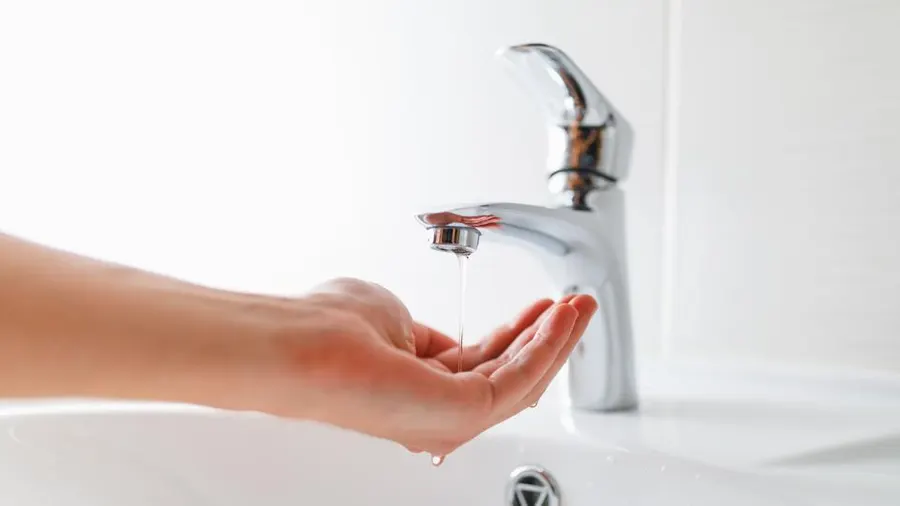
Have you ever observed a leaking water pipe where you would expect a rush of water like a high-pressure pipe? You might have all experienced low water pressure at least once. These conditions can be annoying, especially while taking a shower or washing the dishes. In accordance with EPA, water pressure in a home should be 40-80 psi water pressure level which is considered ideal. When your pressure exceeds this threshold, it will pretty much disrupt your schedule and can even jeopardize the working of all your appliances. Identifying the cause of the poorly flowing water is the number one on the to-do list to be carried out.
This guide will explore common underlying issues of low water pressure and solve some problems that you can fix yourself, or with the help of professionals.
Understanding the Causes of Low Water Pressure
Numerous factors will exert downward pressure on water flow. One issue as old as the system of your home, is the age of the plumbing. The pipes age over time and form deposits that stop water from going normally and slowly leak water out. These fluctuations in pressure could be the reason for the pressure drop or lowering of the pressure in the whole neighborhood.
Within your family, there can be personal factors that contribute to this as well. The tap aerator or showerhead can be completely blocked, and as a result, the flow of water will be reduced, even if the pressure of the main water supply is normal. The same is applicable to concealed leaks within the walls or under the foundation that can spiritedly evaporate the water pressure, causing annoyance with a weak flow.
Quick DIY Fixes for Immediate Relief
Instead of straight away bring in a plumber, you can try some other techniques listed below to fix this water pressure problem yourself. It is important to begin by cleaning the screens on the aerators, which are often very small screens located at the end of the faucet. Such obstructions in screens build up sediments and minerals, thus stopping the water flow from happening. Attach the wrench and unscrew just the faucet’s aerator, creating a suboptimal water stream. Then, dredge the interior of it with vinegar or a mix of water and dish soap. Consider checking your walls and ceiling for visible watermarks, which could be a sign of leaks.
The pressure valve regulator of the home is probably located near the water meter; if there is one, make sure it’s properly operating. Defective regulators may be the reason for water shortage.
Intermediate Solutions: Addressing Underlying Issues
If DIY is not a viable option, it’s high time to consider advanced troubleshooting methods. Look out for corrosion or blockage on the uncovered sections of your pipes. An indication that something is wrong could be a change in color or an increase in size. When you think you already have some leaks hidden under the wall, you just need to pay attention to the water sounds that may be unusual or on the floor and ceilings; just look out for damp spots. Nevertheless, detecting and resolving the undiscovered sources of leakages is difficult for ordinary people who don’t have the necessary equipment. This will make it an astute move to call an experienced professional.
In addition to the above, if you are getting variations in water pressure that is low throughout the house, you can also try a flushing of plumbing system. The process entails pumping water at a high speed through the pipe to clear out whatever has already been gathered or sedimented. Some hardware stores render flushing kits for rent but the operation can be messy and as such, not all sensitive pipe systems can withstand all levels of the rented kits. Seeking out help from an experienced plumber will help you settle down the question of whether flushing your plumbing system is beneficial to you.
When to Call in the Professionals
While DIY may sometimes be enough, there are occasions when one needs a professional approach. If you use up all the simple remedies and water pressure is still considered low or the leak is probably bigger then it’s worth calling a licensed plumber. They come as specialists with the experience and tools to identify complicated plumbing problems that sometimes require cutting-edge solutions.
Having a certified plumbing company relieves people from worries regarding a foul plumbing system. Through a detailed analysis of your entire plumbing network, they are able to pinpoint the source of low pressure and subsequently suggest the best solutions that match your situation.
Preventive Maintenance Tips to Sustain Water Pressure
It is not very difficult to stay ahead of the game when it comes to plumbing issues if precautionary measures are taken, such as knowing how the system works and basic troubleshooting or calling the plumber as soon as you suspect a problem, are the right approaches to take. It is important to regularly inspect the showerheads, toilets, and faucets you have and watch out for slight signs of wear and tear. Address short leaks in order to prevent further development.
The Bottom Line
The experience of low water pressure can be annoying, but the good news is, with the proper understanding and a winning strategy, you can get full command of the situation.