
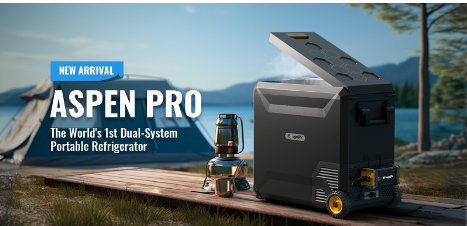
Outdoor adventures are synonymous with freedom and connection to nature, yet comfort remains a paramount concern for many enthusiasts. In the pursuit of a seamless experience, the integration of modern amenities like a camping hot water heater and electric coolers has become indispensable.
This comprehensive review explores the pivotal role these devices play in elevating outdoor comfort, offering insights into their types, essential features.
The Importance of Outdoor Comfort
Comfort in the great outdoors is not merely a luxury but a necessity. It enhances the overall camping experience, making it enjoyable for all involved. Whether it’s through a warm shower at the end of a long hiking day or keeping food and drinks perfectly chilled, the right equipment can make a significant difference.
Overview of Camping Hot Water Heaters
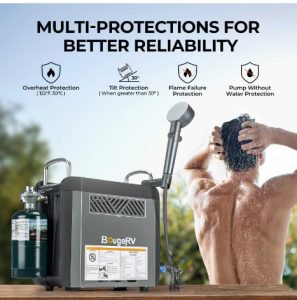
Camping hot water heaters are a game-changer for outdoor enthusiasts seeking the comfort of a hot shower or the convenience of warm water for cooking and cleaning. They come in various types, each with its own set of features tailored to different camping needs.
Types of Camping Hot Water Heaters
Portable and tankless hot water heaters dominate the camping world, each offering unique benefits. Portable models are compact and easy to transport, while tankless units provide a continuous supply of hot water on demand.
Key Features to Consider
When selecting a camping hot water heater, consider factors like heating capacity, fuel type, and portability. Energy efficiency and ease of use are also critical for a hassle-free outdoor experience.
Overview of Electric Coolers
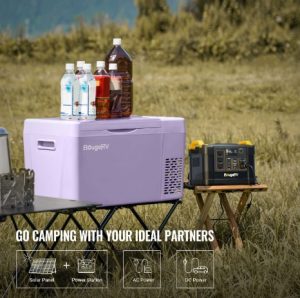
Electric coolers, or thermoelectric coolers, are essential for keeping food and beverages cold without the mess and hassle of ice. Like hot water heaters, they come in various styles to suit different camping setups.
Types of Electric Coolers
There are hard-sided and soft-sided electric coolers, each catering to specific needs. Hard-sided models offer more durability and insulation, while soft-sided coolers are lighter and more portable.
Electric coolers offer a convenient way to keep food and drinks cold without the need for ice, making them popular for road trips, camping, and outdoor events. They come in various types, each suited to different needs and preferences. Here are the main types of electric coolers you might encounter:
- Thermoelectric Coolers: These coolers use a simple Peltier effect to transfer heat from the inside of the cooler to the outside. They are energy-efficient, relatively inexpensive, and can be plugged into a car’s 12V outlet or a standard wall outlet with an adapter. However, they typically cool to about 20 degrees Celsius below the ambient temperature, so their effectiveness varies with the environment.
- Compressor Coolers: Operating much like a standard home refrigerator, compressor coolers can reach much lower temperatures than thermoelectric models, regardless of the outside temperature. They can be set to a specific temperature, making them ideal for keeping ice cream frozen or drinks just above freezing. These coolers can run off a car’s 12V system, a standard 110V outlet, or even solar power setups, but they tend to be heavier and more expensive.
- Absorption Coolers: These are less common but very versatile, able to run on electricity (both AC and DC), or gas (like propane). Absorption coolers are silent since they don’t use a compressor or fan, making them ideal for use in quiet environments. However, they are less efficient and cool less effectively than compressor coolers.
Combining Hot Water Heaters and Electric Coolers for Ultimate Comfort
For the ultimate outdoor comfort, combining a camping hot water heater with an electric cooler ensures you enjoy the luxuries of warm showers and cold refreshments. This synergy can significantly enhance your camping experience.
Combining hot water heaters and electric coolers can significantly enhance your outdoor and travel experiences, offering a blend of convenience and comfort previously difficult to achieve in remote locations. This combination ensures you have access to both hot water for beverages, cooking, and cleaning, as well as a reliable cooling solution for food and drinks. Here’s how you can integrate these devices for ultimate comfort:
-
For Camping and RVing:
- Hot Water: Install a portable propane gas tankless water heater in your RV or at your campsite. These heaters can provide instant hot water for showers, washing dishes, and preparing food, enhancing the overall camping experience by adding a touch of home comfort to the great outdoors.
- Cooling: Utilize a compressor cooler for storing perishable food items and beverages. Compressor coolers can maintain a constant temperature regardless of the outside conditions, making them perfect for keeping meats, dairy, and vegetables fresh throughout your trip.
-
Tailgating and Outdoor Events:
- Hot Beverages: A portable hot water heater can be a game-changer for early morning tailgate events or chilly evening gatherings. Use it to prepare hot coffee, tea, or cocoa, keeping you and your guests warm and spirited.
- Cold Refreshments: Pair that with a thermoelectric cooler to keep sodas, water, and beer cold. Thermoelectric models are perfect for such events since they can easily be plugged into your vehicle’s 12V outlet, ensuring drinks stay chilled throughout the day.
-
Off-the-Grid Living or Traveling:
- Cooking and Hygiene: An absorption cooler and a portable gas-powered water heater can be an ideal combination for off-the-grid living. The water heater provides the necessary warmth for cooking and personal hygiene, while the cooler’s ability to run on gas means you can keep your food cold without relying on electricity.
- Energy Efficiency: This setup is particularly energy-efficient, crucial for long-term stays in remote areas where fuel and power sources may be limited.
-
Integration Tips:
- Power Management: Ensure you have a reliable power source. While electric coolers and hot water heaters are efficient, they do require power. Solar panels, generators, or battery packs can be excellent sources for off-grid adventures.
- Safety First: Always prioritize safety, especially when using gas-powered devices. Ensure adequate ventilation and follow the manufacturer’s instructions to prevent carbon monoxide poisoning or fire hazards.
- Space and Weight Considerations: Plan according to the available space and weight capacity of your vehicle or camping site. While comfort is key, it’s also important to maintain mobility and ease of transport.
Conclusion
Embracing modern conveniences like camping hot water heaters and electric coolers can transform your outdoor experience, providing comfort and convenience that enhances your connection with nature. With the right equipment, preparedness, and safety measures, you can enjoy the best of both worlds—adventure and comfort.