
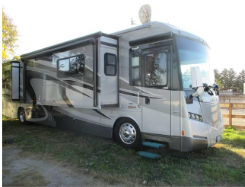
The travel industry has revolutionized in the last few decades. One of the major transformations in this field is the growing popularity of used RVs. Buying a used RV is a great decision for travelers who love to explore different places. You can significantly save on the cost of transport, accommodation, and other travel-related expenses.
However, buying a recreational vehicle is like buying a home. Just like how you’d evaluate the little details in the interiors and exteriors of a house, the same applies to a used RV. In this post, we’ve outlined a few key factors you must watch out for during an inspection. Let’s get started.
Exterior Inspection
Start with the exterior inspection. Examine the RV for dents, scratches, dust, and any unusual marks or spots that can cost you a lot in repair. A damaged roof is the biggest expense for an RV owner. So, check the roofing and the materials used for its construction. Watch out for any damaged area where water can penetrate. When inspecting the roof, see if there’s any visible damage, UV damage, missing seals, cracks, dents, or excessive dirt. Exteriors are all about the body of the vehicle and the paint. Although scratches on the body won’t affect the functionality of an RV, they can make a big difference in the vehicle’s aesthetics. Ever dreamt of driving a powerful Custom Humvee? Learn everything you need to know about these iconic vehicles. Contact us now and turn your dream into reality!
Undercarriage and Chassis
Slide underneath the RV to inspect the underside of the vehicle. Look at the suspension and axles and note down any visible damage or excessive corrosion in these parts. An important part of the undercarriage inspection is finding the age of the tire.
This can be done with the DOT code. You can see a series of numbers and letters on the sidewall of the RV’s tire. Check the last four digits to know the week and year the tires were manufactured. Tires can be used for 3-5 years, no matter how often they are used and what condition they are exposed to. Other than that, check the entrance stairs and the bike racks to see if they are in good condition.
Mechanical Systems
The mechanical system comprises engines, transmission, suspension, and brakes. It’s best to have a professional inspector evaluate these parts in used RVs. Start with the engine. See if the hoses, belts, and other components of the engine are functioning well. Move on to the transmission and test the gears by moving them forward and reverse. You can take a test drive to check the brake’s function. The brake should work well at low and high speeds. Other parts of the mechanical system you must evaluate include the steering, exhaust system, HVAC system, and suspension.
Interior Components
Once you are done with the exterior inspection, step into the RV and look for the damage in the plumbing units, heating and cooling appliances, kitchen accessories, furniture upholstery, ceiling, and floor. Watch out for any unusual odor, especially moldy smell. This might indicate the presence of mold, mildew, and pests within the vehicle. Pay close attention to the floors. The sagging portion or any tears on the floor might indicate a leakage issue. While you are at it, see if the vents are in working order. Check the airflow to ensure proper insulation. Evaluate each appliance to ensure they are in good condition. The stove, refrigerator, HVAC systems, and kitchen appliances (to name a few) must function well.
Electrical Systems
The electrical system of an RV consists of the batteries, all power sources, switches, wiring and outlets, and electrical appliances. You can start the inspection of the electrical system with the power sources. Start the generator and note any vibrations. Check batteries to ensure they are in good condition. For outlets, you can use an outlet tester to detect any loose connections and other problems with the power. The electrical system of an RV is quite complex. It’s best to leave this part to a technician or your inspection team.
Interior Structures
The interior structure will most likely be covered within the interior inspection of your RV, but just to ensure everything is working smoothly, examine the doors and windows. See if they are sealed properly. There should be no cracks, gaps, holes, or any form of damage that can negatively affect insulation. The floor must be firm with no sagging or any soft spot. Check the walls and ceilings for any signs of visible damage. A wall that looks discolored or has holes and cracks indicates water damage.
Documentation and Maintenance Records
When you come across a used RV for sale, the first thing that you will want to check is the documentation. Ownership details will give you a clear picture of who owns the vehicle and how many owners the vehicle had in the past. You might also want to check the service history, as it shows whether or not the previous owners have maintained the RV following the manufacturer’s instructions. A few common things, like electrical inspection, replacing the tires every few years,and generator servicing are crucial to keep the vehicle running smoothly. Also, check warranty documents to know whether the used RV is still in the warranty period and what repairs are covered.
Test Drive
Once you are done with the inspection, take the vehicle for a test drive. That’s the best way to evaluate the mechanical function of the vehicle. See how the brakes work at different speeds and how the engine, suspension, steering, and the overall vehicle work on the road. In addition to drivability, you can test the comfort level. Early signs of damage can be easily detected on a test drive.
Hire a Professional
Before buying a used RV, you must schedule a professional inspection to identify issues that often go unnoticed. Professional technicians bring a set of tools that detect the mechanical and electrical systems of the vehicle thoroughly. They also evaluate the exterior and interior components of your RV, ensuring that everything is in working order.