
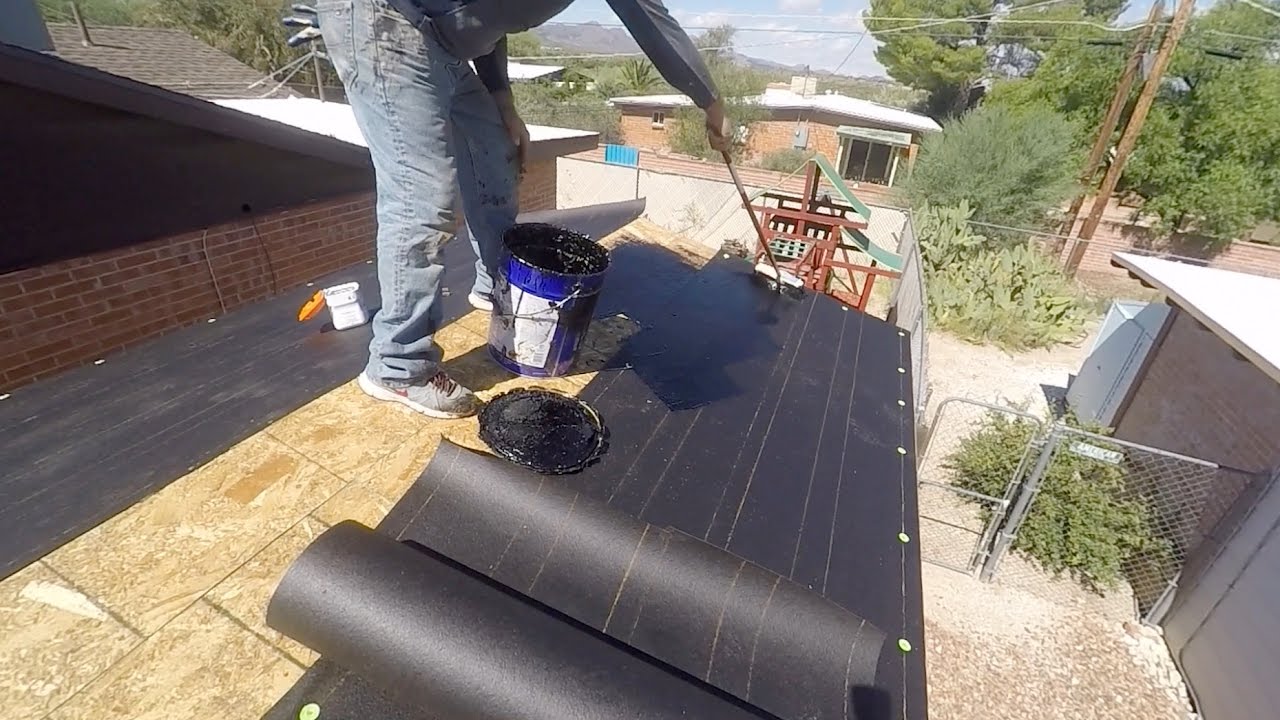
When it comes to roofs, there’s more than meets the eye. Roofing underlayment may not get as much attention as shingles, but it’s a crucial part of any roof’s protection system – and if done wrong or without proper maintenance, it can compromise your home’s safety and security.
To keep your home in prime condition and understand what role this hidden layer plays in protecting you from the elements, read on for an essential guide to roofing underlayment types and installation tips.
Roofing Underlayment Types: What Are The Best Options?
The roofing underlayment market offers several options, each with properties suitable for specific environments and roofing types. Here, we will discuss the three most common types: Felt underlayment, Synthetic underlayment, and Rubberized asphalt underlayment.
Felt Underlayment
Traditionally known as “tar paper,” Felt underlayment is a paper-based product saturated with asphalt, which makes it water-resistant. It comes in two thickness types: #15 and #30, with the latter being more durable and resistant to tearing.
Felt underlayment is a popular choice due to its cost-effectiveness and ease of installation. However, it tends to be heavier and less resistant to water and UV damage than synthetic alternatives.
Synthetic Underlayment
Synthetic underlayment is a newer entrant to the market and is made from engineered polymers, often polypropylene or polyethylene. It is significantly lighter than its felt counterpart, and its synthetic nature makes it highly resistant to water and UV damage.
Furthermore, synthetic underlayment offers a high degree of durability and longevity. It’s an excellent choice for more extreme climates due to its superior protective qualities, though it does come with a higher price tag.
Rubberized Asphalt Underlayment
A premium choice, the rubberized asphalt underlayment is highly waterproof and offers excellent adhesion to the roof deck, reducing the likelihood of shingle blow-off during high winds. It is made of asphalt-saturated felt or synthetic fabric and then coated with a layer of rubber polymer for added water resistance and durability.
This underlayment is often self-adhesive and includes a protective surface for slip resistance, making it a safer choice for roofers during installation. However, its top-tier features come with a higher cost than other options.
Bituminous Waterproof Membrane Underlayment
Bituminous waterproof membrane, or APP or SBS membrane, is a robust and highly waterproof option, making it ideal for roofs in wet climates or areas prone to heavy snowfall.
This underlayment is made by applying a layer of bitumen (a viscous, black mixture of hydrocarbons) to a carrier sheet of glass fiber or polyester. The bitumen provides excellent water resistance, while the carrier sheet adds durability. However, this type of underlayment can be more challenging to install and may require professional expertise.
Non-Bituminous Synthetic Underlayment
Non-bituminous synthetic underlayment, made from polypropylene or polyethylene, is a common alternative to asphalt-saturated felt. It offers superior tear resistance, longevity, and UV resistance compared to traditional felt underlayment.
Furthermore, it is also lighter, making it easier to install. However, as with synthetic underlayment, it is typically more expensive than traditional options. Its advanced features make it a good investment for homeowners willing to spend a little more for increased durability and protection.
Tips for Installing Roofing Underlayment
While installing roofing underlayment may seem simple, it is crucial to follow proper techniques and guidelines to ensure its effectiveness in protecting your roof. Here are some tips to keep in mind during installation:
- Ensure the roof deck is clean, dry, and debris-free before laying any underlayment.
- Use the correct adhesive or fasteners according to the type of underlayment and roof slope.
- Overlap underlayment seams by at least 2 inches to prevent water from seeping through.
- Install the underlayment in a shingle-like pattern, starting from the eaves and working your way up towards the ridge.
- Pay special attention to valleys, chimneys, and other roof protrusions as these are common areas for water to penetrate.
- Use a drip edge along the eaves and rake edges to prevent water from getting under the underlayment.
- Install a protective layer of shingles or tiles over the underlayment within 90 days to avoid prolonged exposure to UV rays, which can deteriorate certain types of underlayment.
By following these tips and choosing the right type of underlayment for your roof, you’ll ensure that your home is well-protected from the elements, extending its lifespan and saving you potential headaches and costly repairs.
However, keep in mind that roofing underlayment installation is a complex task that should be done by a professional. They have the expertise and knowledge to ensure proper installation and avoid any mistakes that can compromise your roof’s integrity. Visit their website for more info on roofing installation services.
Bonus: Roof Maintenance Tips
Regular maintenance is critical to extend the lifespan of your roof and ensure it remains effective in protecting your home from external elements. Here are some essential tips to help you keep your roof in top shape.
Inspect Your Roof Regularly
Make it a habit to inspect your roof frequently, especially after extreme weather conditions. Look for missing or damaged shingles, accumulation of granules in gutters, and other signs of wear and tear. Early detection of these issues can prevent larger, more costly roof problems.
Clean Your Gutters
Keep your gutters clean to allow water to flow away from your roof efficiently. Blocked gutters can lead to water back-up, causing it to seep under the shingles and damage the underlayment, decking, and other roofing components.
Trim Overhanging Tree Branches
Trim any tree branches that are overhanging or close to your roof. They can scratch and damage roof shingles. Moreover, falling branches can cause significant damage to your roof structure.
Regularly Check Attic Ventilation
Proper attic ventilation prevents heat and moisture buildup, which can lead to ice damming and degradation of the underlayment. Ensure that your attic remains well-ventilated and insulated to maintain the effectiveness of your roofing system.
Schedule Professional Roof Inspections
While personal inspection and maintenance are essential, it’s also crucial to schedule professional inspections. Roofing professionals have the skills and tools to identify and address issues that might go unnoticed by untrained eyes. Professional inspections can help maintain your roof’s integrity and prolong its lifespan.
Final Thoughts
Roofing underlayment is vital in protecting your home from weather elements and ensuring its longevity. With the various underlayment types available, choosing the right one for your specific roofing needs is essential.
Additionally, proper installation and regular maintenance are crucial to ensure the effectiveness of your roofing system. By following these tips and investing in professional services when necessary, you’ll be able to keep your roof in excellent condition for years to come.